Address
304 North Cardinal St.
Dorchester Center, MA 02124
Work Hours
Monday to Friday: 7AM - 7PM
Weekend: 10AM - 5PM
Address
304 North Cardinal St.
Dorchester Center, MA 02124
Work Hours
Monday to Friday: 7AM - 7PM
Weekend: 10AM - 5PM

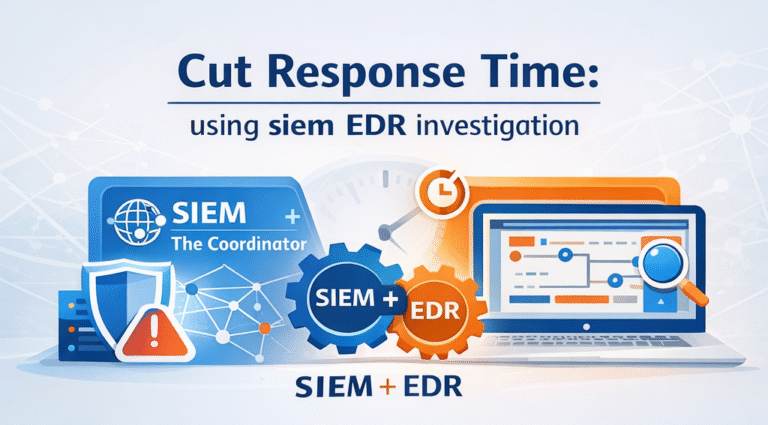
You’re staring at a wall of alerts. A SIEM blips about weird outbound traffic, an EDR pings on a strange process. Alone, each is just noise. Together, they’re a story. Using SIEM EDR investigation in tandem isn’t just best practice,…

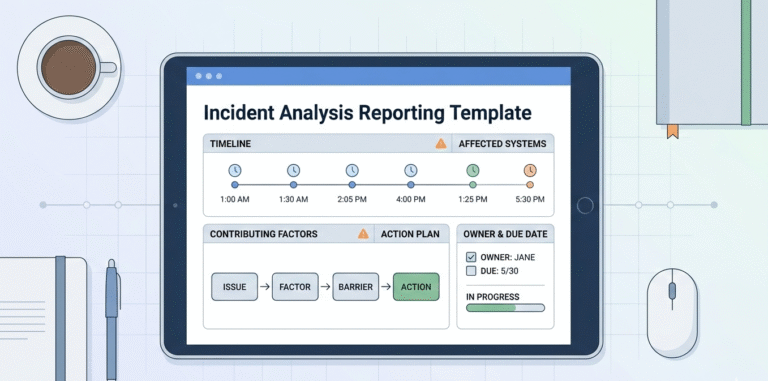
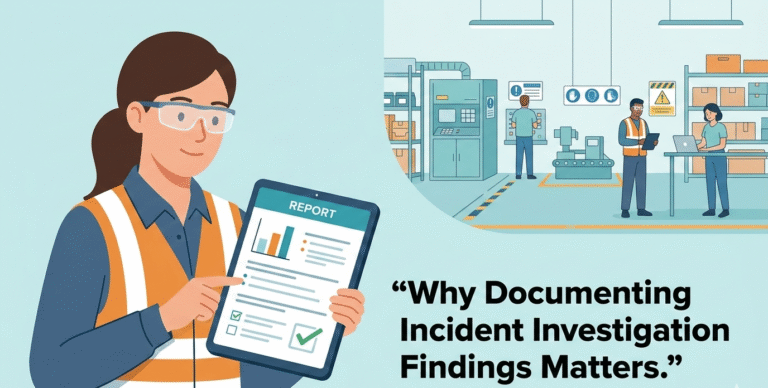
Documenting incident investigation findings does one essential thing: it turns a chaotic event into a structured plan for prevention. It’s the difference between reacting to a single failure and building a system that can’t fail the same way twice. A…

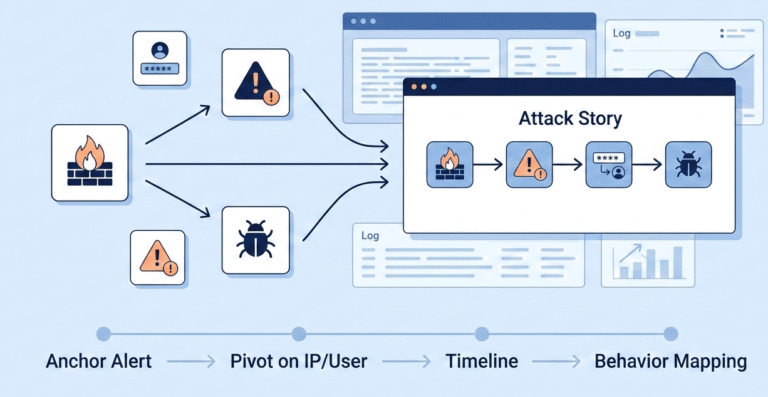
You’re staring at a screen full of alerts. A firewall block here, a failed login there. Alone, they’re just noise. But when you start correlating events, those disjointed data points snap together into a story. It’s the difference between seeing…

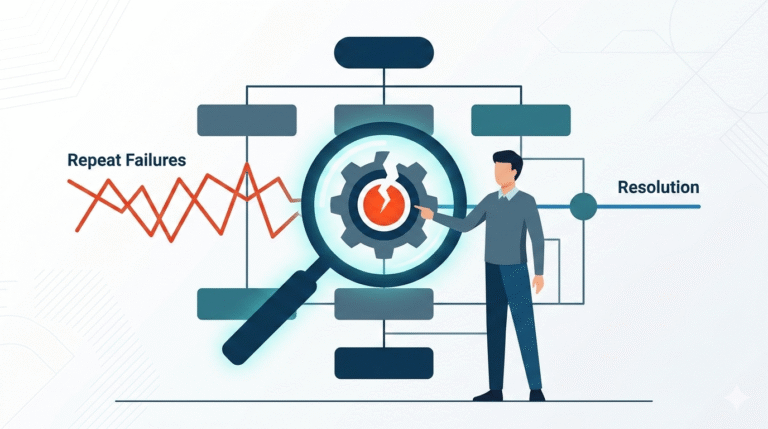
Determining incident root cause is the difference between fixing noise and fixing reality. Too many teams patch symptoms, then watch the same problem return. According to incident management research, strong Root Cause Analysis (RCA) prevents recurrence by targeting underlying failures. …

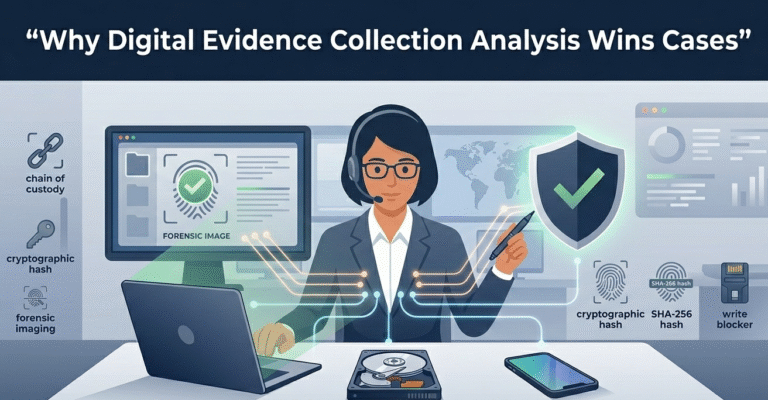
The reliability of digital evidence collection analysis is the most critical factor because it determines admissibility. Without a forensically sound process, the data you collect is just useless bits and bytes in the eyes of the court. We’ve seen strong…

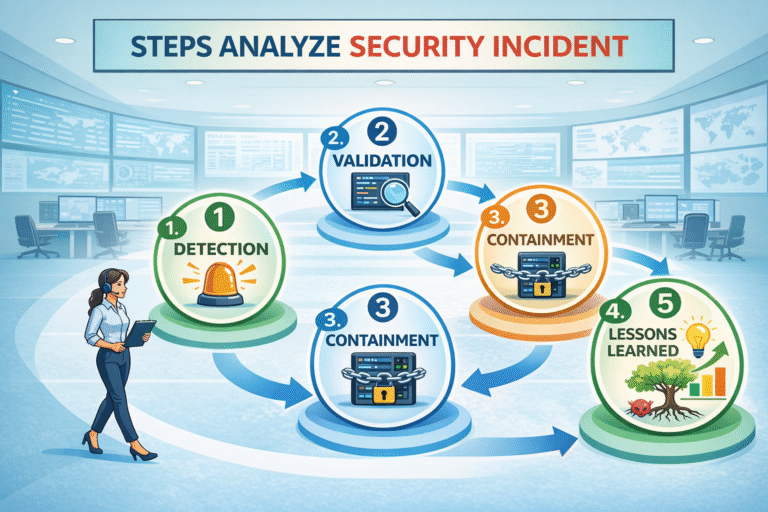
An alert flashes. Your gut says it’s real. The real work, analyzing a security incident, starts now. It’s not about checking boxes from a NIST guide. It’s a messy, urgent hunt for truth in logs and memory dumps. You’re piecing…

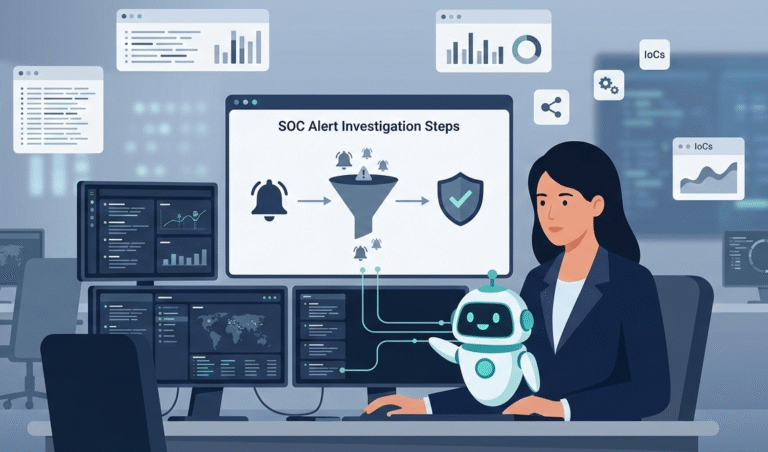
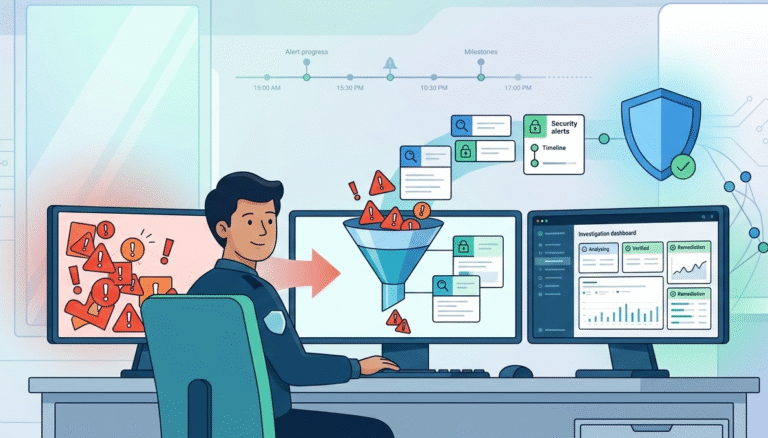
An alert flashes on your screen. Is it real, or just noise? The standard SOC analyst alert investigation steps is a repeatable process. It’s how you transform raw data from your SIEM and EDR tools into a clear security decision:…

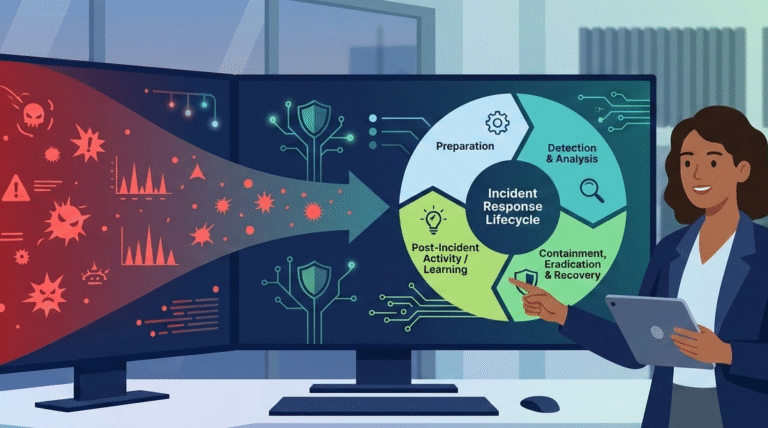
You need a security incident investigation process that works in 2026, not 2016. It’s a structured, blame-free cycle of preparation, detection, containment, and learning, designed to stop the bleed and kill the root cause for good. The goal isn’t just…

When the alert hits, a systematic investigation kicks in. That’s what stops chaos. It’s a structured process, turning noise into a clear path forward. The team moves from triage to final report, shifting from “something’s wrong” to knowing exactly what…