

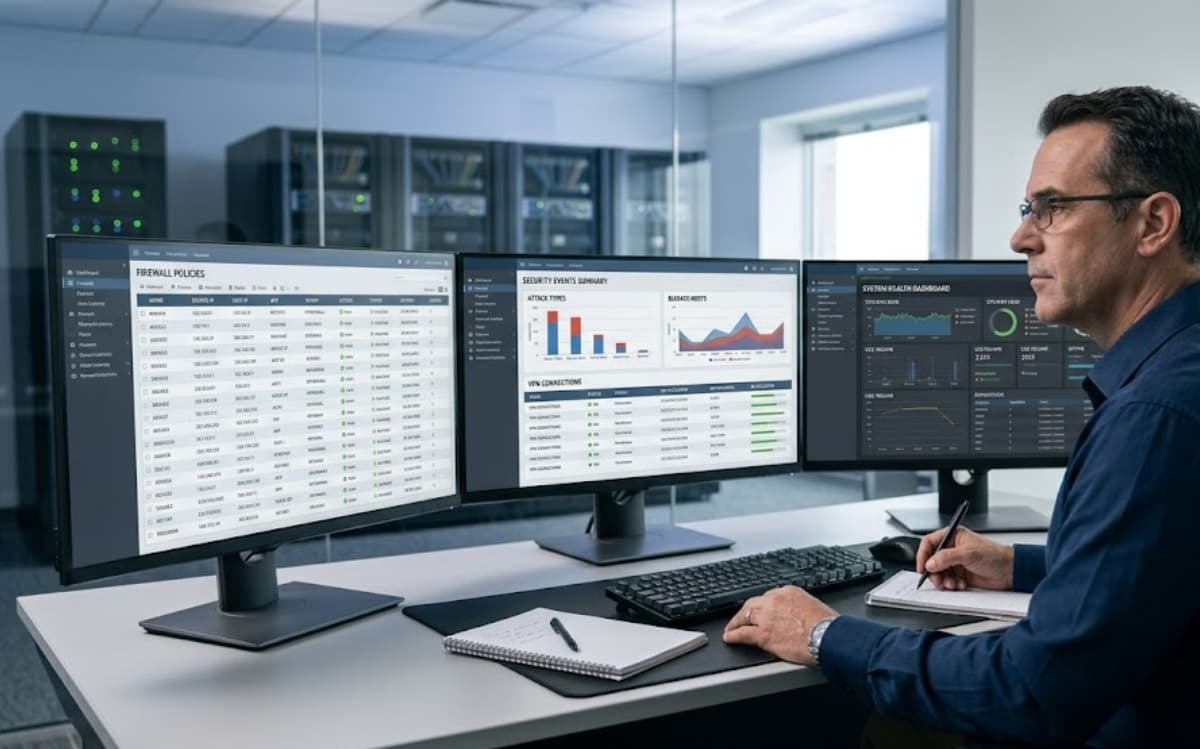
The value of Cisco ASA depends on how well it is managed. Many organizations still rely on Cisco ASA because it provides dependable perimeter security and VPN connectivity. But the firewall alone is not enough. Regular policy reviews, timely updates, continuous monitoring, and fast issue resolution all play a part in reducing security risks.
At MSSP Security, we’ve found that proactive firewall management helps organizations stay secure and avoid problems before they affect operations. Good management often delivers more value than adding new technology. Keep reading to see what effective Cisco ASA firewall management should include.
Cisco ASA Firewall Management Service: Quick Take
A strong Cisco ASA firewall management service is about more than keeping the firewall online. The right approach combines proactive management, security, and operational support to improve long term reliability.
- Beyond monitoring: Includes management, maintenance, and support.
- Lower risk: Helps reduce downtime and security issues.
- Long term value: A skilled provider improves ongoing operations.
Why Do Businesses Still Use Cisco ASA Firewall Management Services?
Cisco has newer firewall products now. Even so, plenty of businesses still rely on Cisco ASA every day. That might sound surprising. It really is not.
If the firewall is stable, protects the network, and still supports the business, replacing it may not be the smartest move. Most organizations would rather improve what they already have than start over from scratch.
We’ve spent time helping MSSPs review security products before customers make big decisions. More than once, the conversation started with replacing the firewall. But after looking at the environment, the real issue turned out to be something else. Old rules. Missed updates. Little visibility into what had changed over the years.
The hardware wasn’t the problem.
That is why many businesses choose a managed Cisco ASA service instead. Good management helps keep the firewall useful for longer. It also gives security teams more confidence that policies stay current, VPNs stay available, and changes are documented properly.
Organizations evaluating broader firewall technology options should also consider how ongoing management affects long term operational performance.
What Does A Cisco ASA Firewall Management Service Actually Include?
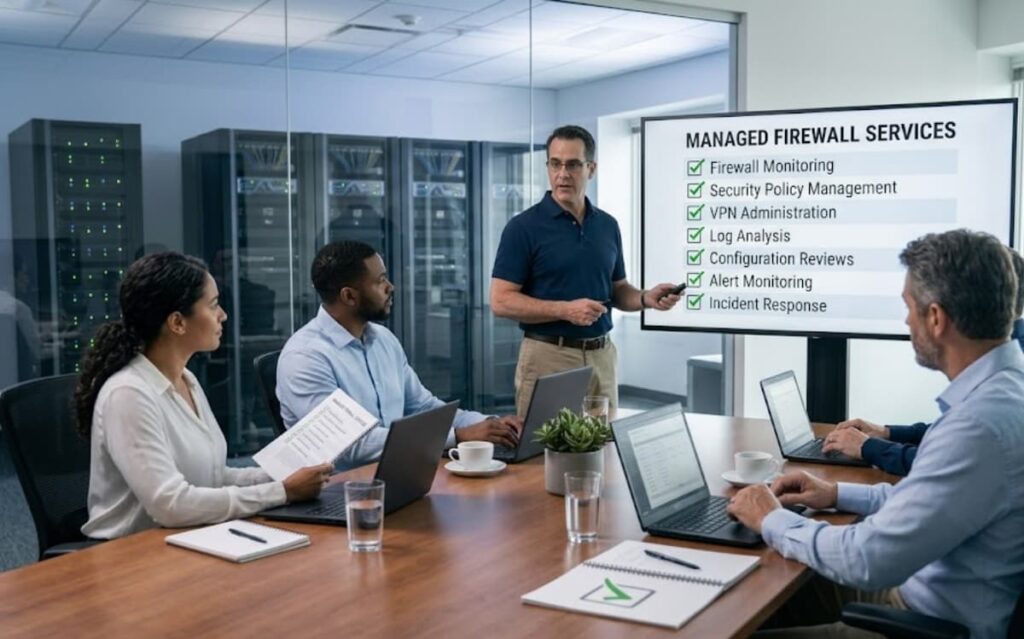
A firewall is never finished.
People join the company. New applications appear. Branch offices open. Someone requests access, then another request comes in a week later. Months pass, then years. Before long, hundreds of firewall rules are in place, and nobody remembers why some of them exist.
A managed service keeps that from getting out of control. The work goes beyond creating firewall rules. It includes reviewing policies, managing VPNs, monitoring health, handling updates, keeping backups, and documenting changes so the environment stays organized over time.
Firewall Policy Administration
Firewall policies change more often than most people expect.
One department needs access to a new application. A vendor needs temporary access. A project ends, but the firewall rule stays there anyway. Small requests keep piling up, and eventually the policy becomes harder to understand than it should be.
Typical tasks include:
- Cisco ASA configuration management
- ACL updates
- NAT configuration
- Object group management
- Policy reviews
- Change approvals
During firewall audits, we often notice duplicate rules or policies that have not been reviewed in years. Nobody added them on purpose. They built up slowly. Regular reviews help clean things up before the rulebase becomes difficult to manage.
“Process for controlling modifications to hardware, firmware, software, and documentation to protect the information system against improper modifications before, during, and after system implementation.” – NIST
VPN Management
VPNs are still one of the reasons many organizations continue using Cisco ASA.
Employees work from home. Branch offices connect through secure tunnels. Contractors need temporary access. If those connections stop working, business slows down pretty quickly.
A managed service usually includes:
- Site to site VPN support
- Remote access VPN management
- SSL VPN support
- Certificate management
- VPN monitoring
- Connection troubleshooting
Which Cisco ASA Management Tool Fits Different Environments?
Not every organization manages Cisco ASA the same way.
Some have one firewall protecting a single office. Others support dozens of locations with different teams making changes throughout the year. The management tools should match that environment, not the other way around.
| Tool | Best Fit |
| ASDM | Daily administration |
| CLI | Advanced troubleshooting |
| Cisco Security Cloud Control | Multiple firewalls |
ASDM For Day To Day Administration
That is why many businesses choose a managed Cisco ASA service instead. Good management helps keep the firewall useful for longer. It also gives security teams more confidence that policies stay current, VPNs stay available, and changes are documented properly.
Organizations evaluating broader firewall technology options should also consider how ongoing management affects long term operational performance.
Common tasks like updating firewall rules, reviewing VPN settings, checking interfaces, or changing NAT policies can all be handled through the graphical interface. For smaller deployments, that is often enough.
CLI For Advanced Troubleshooting
The command line still has an important place.
When something unusual happens, experienced engineers often move straight to the CLI. It gives them more detail, more control, and access to functions that are difficult to perform through the graphical interface alone.
Cisco Security Cloud Control
As environments grow, managing each firewall separately becomes harder.
Cisco Security Cloud Control gives administrators one place to track devices, review configurations, monitor software versions, and keep policies consistent across different locations. As organizations modernize their infrastructure, many also evaluate next generation firewall features that can complement existing firewall management strategies.
How Is Cisco ASA Managed Every Day?
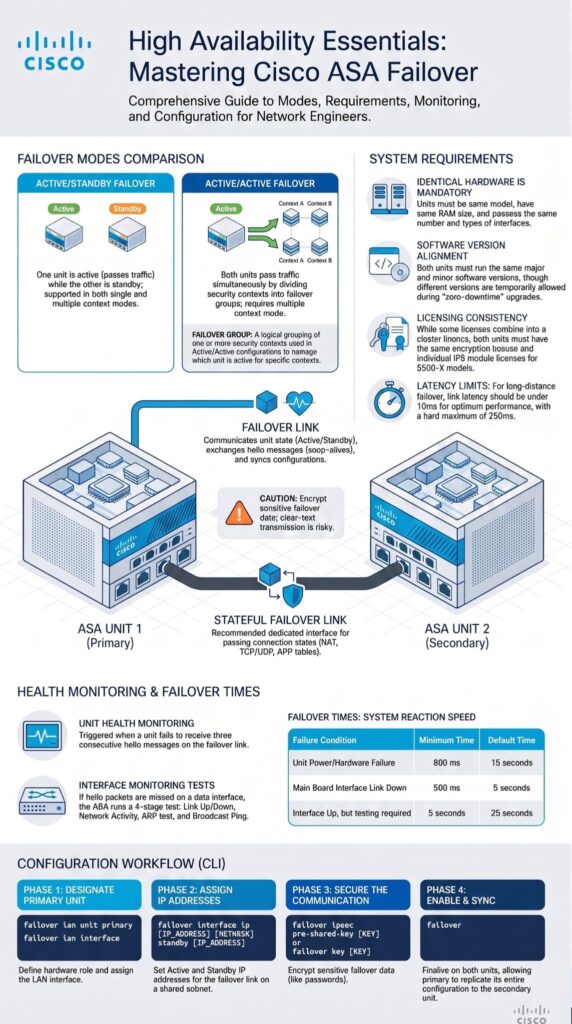
A firewall does not need attention only when something breaks.
Most of the work happens in the background. Small updates. Policy reviews. Health checks. None of it feels dramatic. But skip those tasks for long enough, and problems begin to stack up.
Configuration Changes Without Policy Sprawl
Firewall policies should stay clear and easy to follow. That sounds obvious, yet it becomes harder as the business grows.
People change roles. New systems are added. Projects end. Rules stay behind.
Typical work includes:
- Firewall rule reviews
- Access list cleanup
- Configuration checks
- Backup verification
- Change records
Monitoring Firewall Health
Monitoring is not only about waiting for alerts.
It also means watching how the firewall behaves during normal business hours. A gradual increase in CPU usage or memory consumption may not cause problems today. Six months later, it might.
Daily monitoring often includes:
- CPU usage
- Memory usage
- Interface health
- VPN status
- Failover status
- Capacity planning
How Are Firmware Updates And Maintenance Handled?
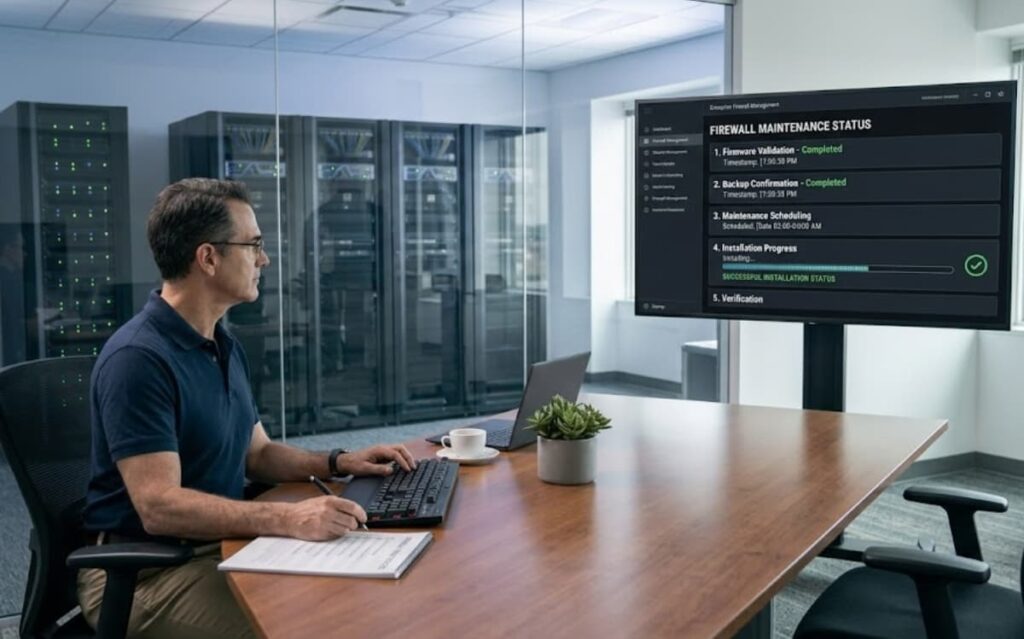
Updating a firewall should never feel rushed.
Every software update has the potential to change how the environment behaves. That is why planning matters as much as the upgrade itself.
Before making changes, we usually recommend checking software compatibility, confirming backups, and preparing a rollback plan. If something unexpected happens, there should already be a way back.
“Establish the types of tests necessary for the IoT device and software before installation.” – NIST
| Maintenance Task | Why It Matters |
| Firmware validation | Checks compatibility |
| Scheduled upgrades | Reduces disruption |
| Backup verification | Supports recovery |
| Failover testing | Confirms resilience |
| Change records | Helps future audits |
One skipped step can create hours of extra work. We’ve seen it happen. Careful preparation usually saves more time than it takes.
How Does Cisco ASA Support Security And Compliance?
Source: Silesio Carvalho
A firewall is only one part of a security program. Many organizations also combine firewall management with unified threat management capabilities to improve visibility across multiple layers of network security.
Organizations also need visibility into what happened, who made changes, and whether security policies are being followed. That becomes even more important during audits.
A managed service often includes:
- Syslog collection
- SIEM integration
- Log retention
- Activity reviews
- Compliance reporting
- Change history.
FAQs
What should a firewall management service include?
A comprehensive cisco asa firewall management service should include more than basic monitoring. It should provide managed cisco asa support, policy management, health checks, firmware updates, backup and recovery, and incident response. A well managed cisco asa managed firewall service helps maintain security, improve operational stability, and reduce the workload for internal IT teams.
How often should firewall configurations be reviewed?
Firewall configurations should be reviewed regularly, especially after infrastructure changes, software updates, or security incidents. Consistent cisco asa configuration management helps keep security policies accurate and aligned with business requirements. Many organizations also perform managed asa firewall rules review and use an asa rulebase optimization service to remove unused rules and improve firewall performance.
Why are firmware updates important for firewall security?
Firmware updates help fix known security vulnerabilities, improve system stability, and support new security capabilities. A structured cisco asa firmware management process should include testing, deployment planning, and validation. An asa patching and upgrades service helps reduce operational risks while minimizing downtime and ensuring the firewall continues to perform as expected.
How can I improve visibility into firewall activity?
Improving visibility starts with collecting and reviewing firewall logs consistently. Effective cisco asa log management combined with an asa syslog collection service helps security teams identify suspicious activity, investigate incidents, and maintain historical records. Adding managed asa SIEM integration further strengthens monitoring by centralizing security data from multiple systems.
What should I ask before choosing a firewall management provider?
Before selecting a provider, ask how they handle monitoring, maintenance, security incidents, and ongoing support. Review the cisco asa service-level agreement to understand response times and service commitments. You should also confirm whether managed asa reporting dashboards are included so your team receives clear visibility into firewall performance, security events, and operational status.
Choosing the Right Cisco ASA Firewall Management Service
A Cisco ASA firewall can still protect your network well, but only if it’s managed the right way. Missed updates or outdated policies can create security risks and make daily management harder. That’s a problem you don’t want to ignore.
If you’re looking for a Cisco ASA firewall management service, MSSP Security can help with vendor neutral consulting, security assessments, technology audits, PoC support, and stack optimization. Backed by more than 15 years of experience and over 48,000 completed projects, we help MSSPs improve security operations and choose solutions that fit long term business and operational goals.
References
- https://csrc.nist.gov/glossary/term/configuration_control
- https://pages.nist.gov/FederalProfile-8259A/nontechnical/update/