

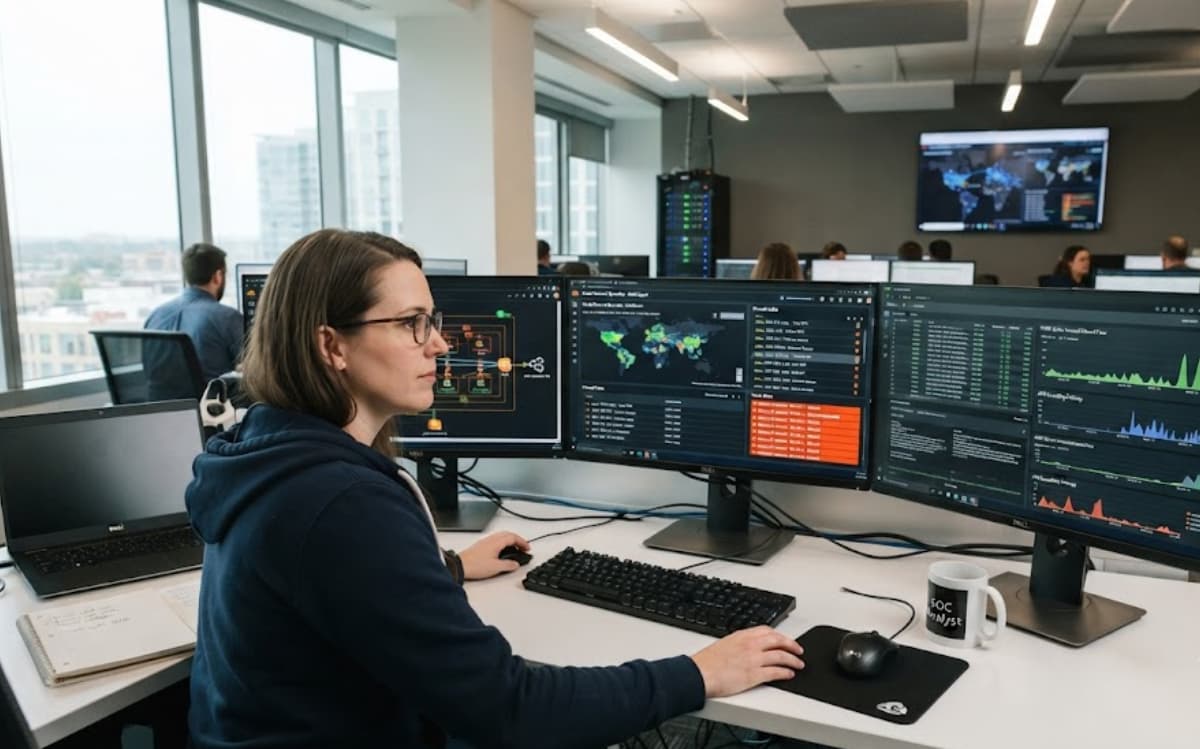
Virtual firewalls help protect cloud applications, workloads, and network traffic without relying on physical security hardware. They use software based controls to inspect connections, apply security rules, and support safer cloud operations.
Businesses can choose from cloud native firewalls, virtual next generation firewall solutions, or managed firewall services based on their security needs. With support from providers like MSSP Security, organizations can improve cloud protection while managing compliance, visibility, and daily security operations more effectively.
The right approach depends on network requirements, internal resources, and business goals. Keep reading to learn the main virtual firewall options and how to choose the right fit.
Cloud Firewall Quick Insights
A virtual firewall approach helps organizations strengthen cloud protection with flexible security controls.
- Virtual firewalls inspect traffic, enforce policies, and protect cloud workloads.
- Cloud firewall options include virtual appliances, NGFW solutions, and FWaaS models.
- Strong security planning improves segmentation, visibility, and cloud governance.
What Is a Virtual Firewall and Why Does Cloud Security Need One?
A virtual firewall is a software based security tool that monitors and controls network traffic inside cloud environments. It works like a traditional firewall, but it runs through virtual infrastructure instead of a physical device.
It can protect systems such as:
- Cloud applications.
- Virtual machines.
- Containers.
- Internal services.
Older firewall systems were designed for networks that stayed mostly the same. Cloud environments are different. Resources can change quickly, and users may connect from many locations.
Security teams need better control over these moving parts.
A virtual firewall can help with:
- Traffic inspection.
- Access control.
- Workload separation.
- Threat detection.
For organizations managing complex firewall environments, services such as a Cisco ASA firewall management service can support ongoing configuration reviews, policy updates, and operational monitoring across network security systems.
For example, an application server may need to communicate with a database. It does not need permission to connect with every system in the network.
Limiting unnecessary connections can reduce the chance of attackers moving deeper into an environment.
Which Cloud Firewall Model Fits Different Business Needs?
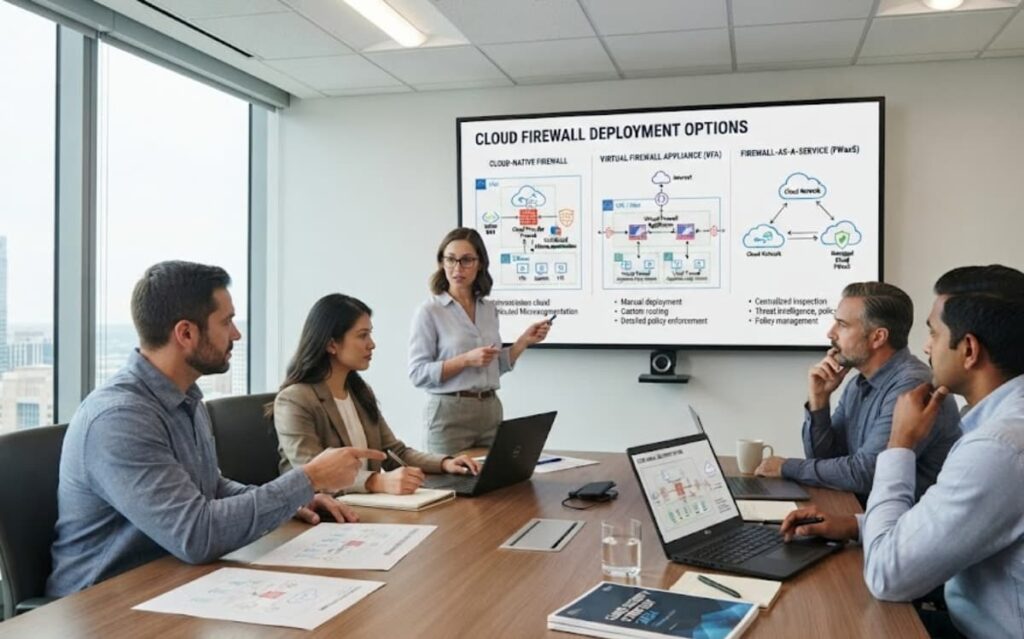
Choosing a firewall model depends on the company’s environment, security goals, and available resources.
A smaller company may prefer something easy to manage. A larger organization may need detailed controls across several cloud platforms. Reviewing different firewall technology options can help businesses compare deployment models, management requirements, and security capabilities before selecting an approach that fits their environment.
The three main models include:
| Firewall model | Best fit | Main benefit |
| Cloud native firewall | Single cloud environments | Easy deployment |
| Virtual firewall appliance | Hybrid and multi cloud environments | More security control |
| Firewall as a Service | Remote teams and distributed users | Less infrastructure management |
Cloud native firewalls are often selected by companies that mainly use one cloud provider. They usually connect well with existing cloud services and require less setup.
Virtual firewall appliances are usually chosen by organizations that need more control. They can provide deeper inspection and more advanced policy options.
FWaaS gives companies firewall capabilities through a cloud service. This can help businesses that have remote workers or applications spread across different locations.
But the decision should not stop at features.
Why Do Enterprises Choose Virtual Firewall Appliances?
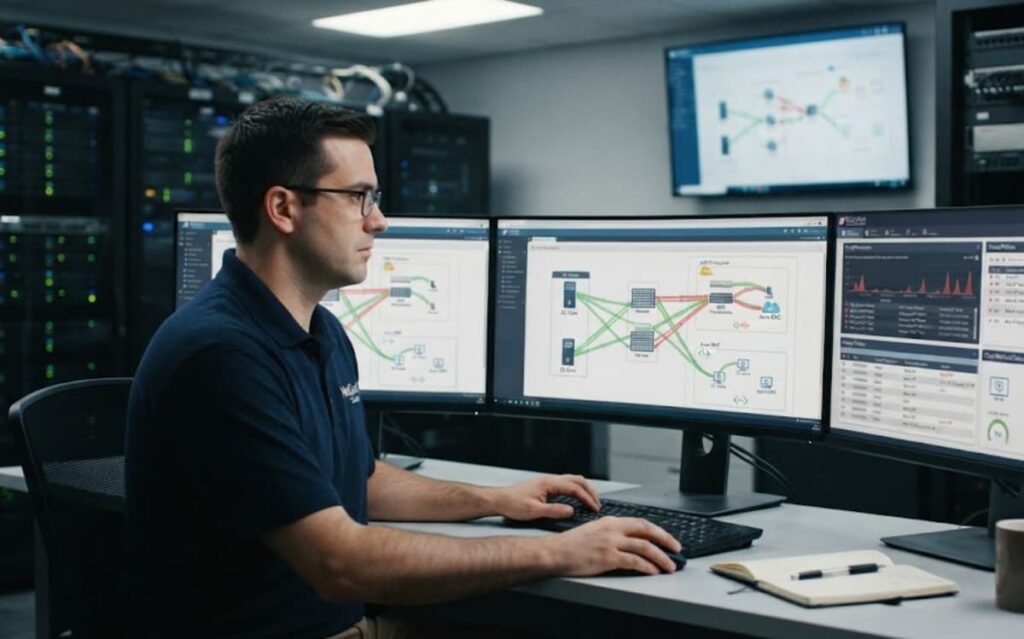
Virtual firewall appliances are designed for organizations that need more control over cloud security.
They bring many traditional firewall features into cloud environments. The software runs as a virtual instance and protects traffic between different systems. Organizations evaluating enterprise firewall solutions may compare approaches such as Palo Alto vs Fortinet managed firewall to understand differences in security features, operational complexity, and long term management needs.
Common capabilities include:
- Deep packet inspection.
- Intrusion prevention.
- Application control.
- Encrypted traffic inspection.
- Central policy management.
These features are useful for companies with hybrid environments.
How Does Firewall as a Service Support Cloud Security?
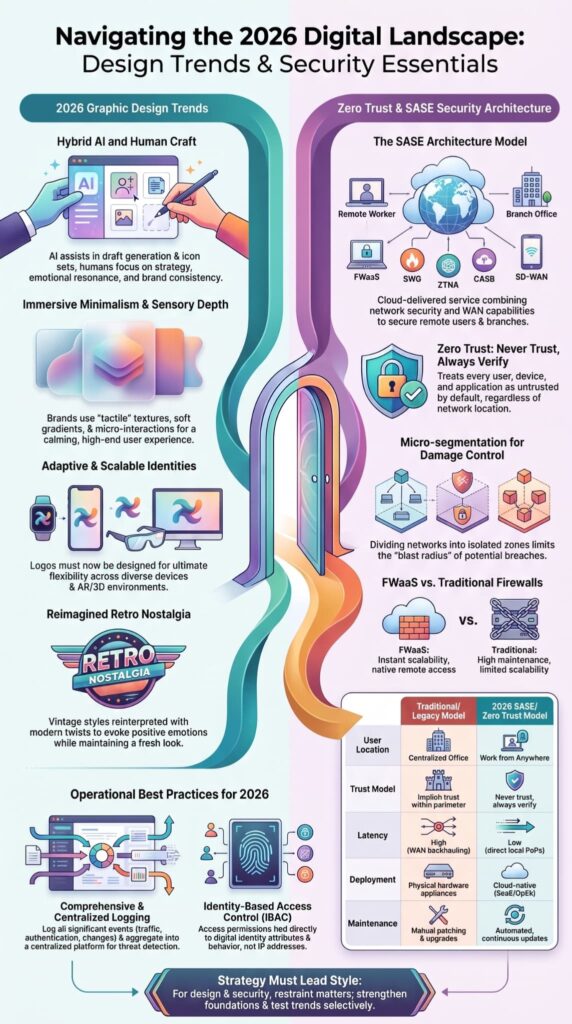
Firewall as a Service, also called FWaaS, moves firewall protection into the cloud. Instead of buying and managing physical hardware, organizations use a security service delivered through a cloud platform.
This model has become more common as companies support remote employees, cloud applications, and users from different locations.
The way people work has changed.
Employees may connect from home. Applications may run across several cloud platforms. Data may move between different environments. Traditional network boundaries are not always enough anymore.
FWaaS can help protect these types of environments by providing:
- Identity based access control.
- Remote user protection.
- Cloud application security.
- Support for Zero Trust strategies.
The Cybersecurity and Infrastructure Security Agency explains that Zero Trust security focuses on checking access continuously instead of trusting users only because they are inside a network.
“Zero trust focuses on protecting resources rather than network segments.” – NIST SP 800-207 Zero Trust Architecture
That idea fits modern cloud environments because users and devices are not always connected from one fixed location.
But there is another side.
Organizations still need to review the product carefully. They need to understand logging options, policy controls, integrations, and how the service handles different traffic types.
A cloud delivered firewall is not automatically the right answer.
Which Virtual Firewall Features Matter Most?
https://www.youtube.com/watch?v=LAYZnpIK0ro
Source: CyberSec Academy
Choosing a virtual firewall is not only about checking a list of features.
The important question is whether the firewall can support the way the business operates.
Security teams should look at areas such as:
- Traffic visibility.
- Policy management.
- Performance.
- Reporting.
- Integration.
A firewall that cannot provide clear visibility can make investigations harder. Teams need to know what traffic is moving through the environment and whether something unusual is happening.
Virtual firewalls also need to handle different traffic directions.
North south traffic refers to data moving between external networks and cloud environments.
East west traffic refers to communication between internal systems, applications, and workloads.
Both types of traffic matter.
Many security incidents become more serious when attackers move between systems after getting initial access. Controlling internal traffic can help reduce that risk.
“Network segmentation can help prevent lateral movement by controlling traffic flows between and access to various subnetworks.” – CISA Understanding and Mitigating Russian State-Sponsored Cyber Threats to U.S. Critical Infrastructure
This is why features such as network segmentation, microsegmentation, and east west traffic control are important when evaluating virtual firewall solutions. They help security teams create stronger boundaries between workloads instead of relying only on perimeter protection.
FAQs
What is a virtual firewall used for in cloud environments?
A virtual firewall helps protect cloud environments by controlling network traffic between users, applications, and workloads. It provides security functions similar to traditional firewalls but operates as software within a virtualized infrastructure. Organizations use virtual firewalls for traffic inspection, policy enforcement, workload protection, and cloud security management across public, private, and hybrid cloud environments.
How does a cloud firewall support hybrid cloud protection?
A cloud firewall supports hybrid cloud protection by helping organizations apply consistent security policies across different environments. It manages traffic between on-premises systems and cloud workloads while improving network visibility. Features such as network segmentation, centralized management, and threat prevention help reduce security gaps as organizations expand their cloud infrastructure or migrate workloads.
What is the difference between a virtual firewall and FWaaS?
A virtual firewall is a software-based security appliance deployed within an organization’s cloud or virtual environment. Firewall as a Service (FWaaS) provides firewall capabilities through a cloud-delivered service model. Both solutions support traffic monitoring, policy enforcement, and threat prevention, but FWaaS can reduce the need for organizations to manage and maintain firewall infrastructure directly.
How do virtual firewalls improve cloud workload security?
Virtual firewalls improve cloud workload security by controlling access between applications, servers, and virtual machines. They support security features such as microsegmentation, intrusion prevention (IPS), malware protection, and application security controls. These capabilities help organizations protect workloads, restrict unnecessary network access, and maintain stronger security policies across modern cloud environments.
When should a company consider a next-generation firewall for cloud security?
Companies should consider a next-generation firewall (NGFW) when traditional network filtering does not provide enough protection for their environment. NGFW solutions offer capabilities such as deeper traffic inspection, application awareness, identity-based access, and advanced threat prevention. Organizations managing sensitive workloads, multiple cloud environments, or complex applications may need stronger security controls to reduce risks.
How Should Businesses Choose a Virtual Firewall Solution?
Choosing a virtual firewall can feel complicated when your security needs keep changing. The wrong setup may leave gaps in protection or create extra work for your team. A clear review of your environment helps you make a better decision.
If your business needs guidance with cloud security decisions, MSSP Security consulting services can help review your current approach and find practical improvements. Their team supports organizations with security planning that fits technical needs and business goals.
References
- https://csrc.nist.gov/pubs/sp/800/207/final
- https://www.cisa.gov/news-events/alerts/2022/01/11/understanding-and-mitigating-russian-state-sponsored-cyber-threats-us-critical-infrastructure