Address
304 North Cardinal St.
Dorchester Center, MA 02124
Work Hours
Monday to Friday: 7AM - 7PM
Weekend: 10AM - 5PM
Address
304 North Cardinal St.
Dorchester Center, MA 02124
Work Hours
Monday to Friday: 7AM - 7PM
Weekend: 10AM - 5PM

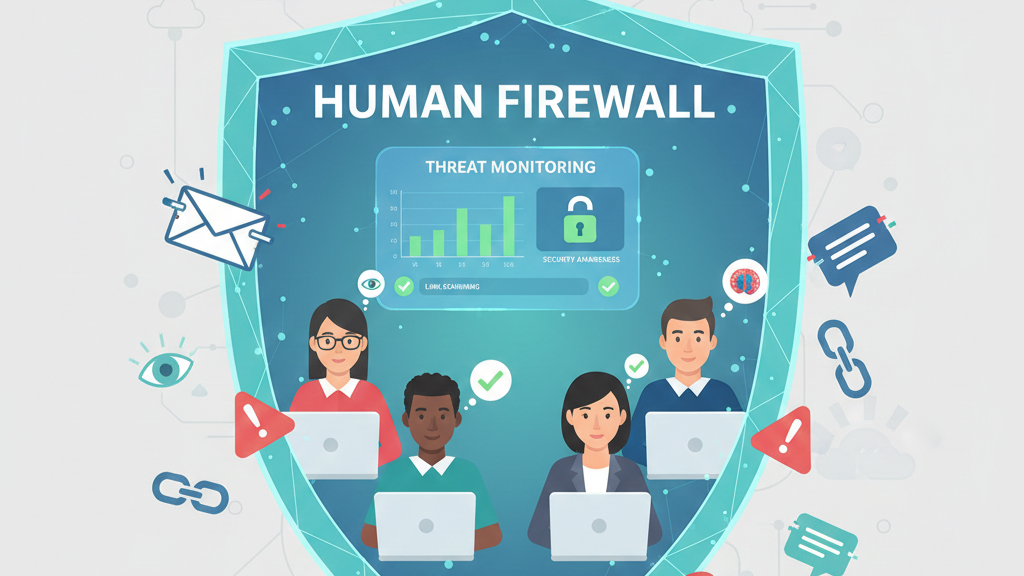
Outsourced phishing simulation training closes the gap between fear and real security. It’s a managed service where experts run ethical attack simulations for you. They craft deceptive emails and provide instant coaching to your staff. This turns your employees from a weak link into a layer of active defense.
The approach frees your team from extra work, letting you focus on broader security strategy while building a more resilient company culture. To see exactly how this process works and its benefits, keep reading.
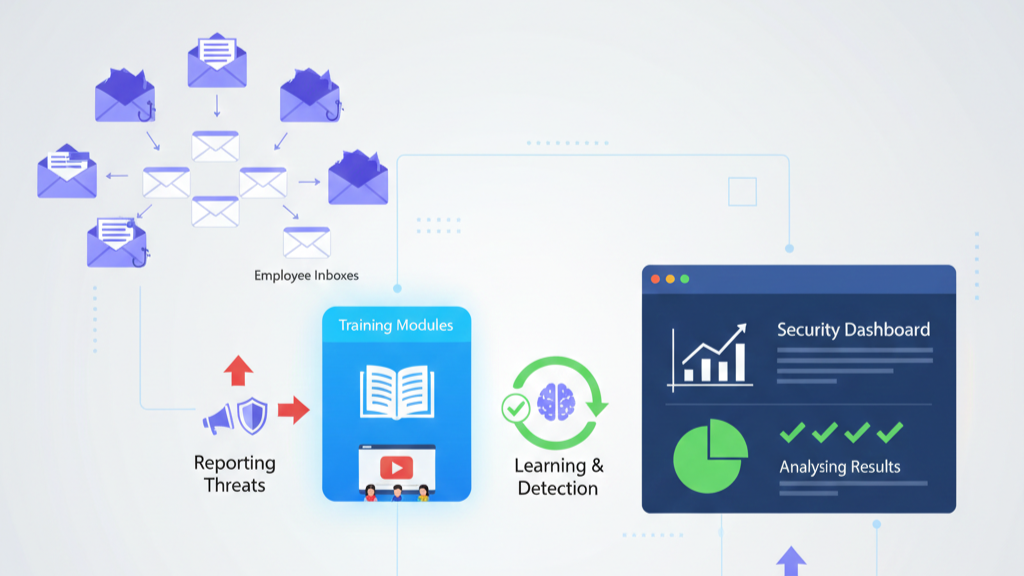
Managed phishing training mimics real attacks without the danger. We send simulated emails, texts, and calls that feel authentic. The point isn’t to trick people, but to see how they react in a safe, controlled setting.
“Because every industry, position, and email is different, very few organizations will have the time or resources to develop and conduct phishing simulations in-house. Instead, organizations can work with trusted cybersecurity experts that offer phishing simulation exercises […] who understand the current changes in social engineering and the different threats facing each sector.” – Field Effect
If an employee clicks a link or enters data, they get immediate feedback. This just-in-time coaching works better than an annual lecture. It’s learning by almost doing.
Our system tracks everything, who clicked, who reported, how fast. This gives you a clear map of human risk across your organization, allowing you to refine your managed security awareness training program so you know which departments need the most attention.
From our work with MSSPs, the key components clients look for are:
Credits: James Daly
Most internal security teams are stuck firefighting. They’re patching systems and responding to real incidents, leaving little time for the complexities of security awareness training management. Building a phishing program from scratch is a huge lift, it needs constant research into new scams, crafting believable lures, and manual tracking. It usually gets pushed to the bottom of the pile.
That’s where a specialized provider comes in. Their whole job is understanding the criminal playbook. They have teams focused on replicating the latest email scams or AI-generated voice attacks. For an MSSP, adding this service is straightforward.
We get the direct data from your simulations. This lets us connect user behavior to other network threats we’re monitoring. It adds crucial context. If we detect a malware spike in a department, we can cross-check it against their phishing click rates. It links human mistakes to technical risks in a way separate tools can’t.
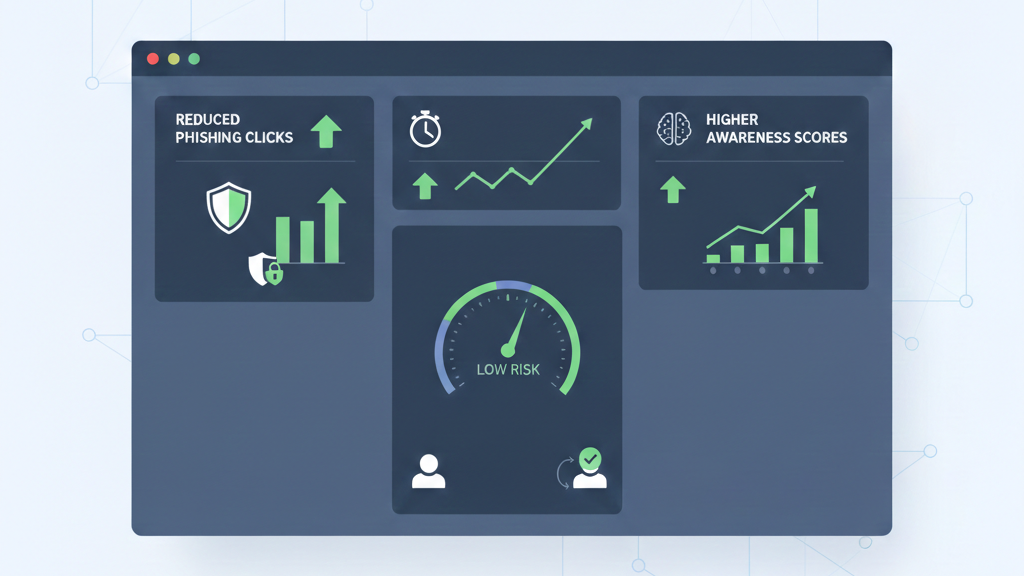
alt text: Outsourced phishing simulation training dashboard tracking click reduction, awareness growth, and lower employee risk levels
This is critical. A poorly run program can destroy trust. The objective is education, not entrapment. Ethical simulations avoid sensitive topics, fake layoff notices or urgent messages about a family emergency are off-limits. The lures should be plausible work scenarios: a shipping notification, a fake software update request, a phony meeting invite.
“A phishing simulation training platform is no longer optional, it’s essential. It enables MSPs and MSSPs to automate training, simulate modern phishing techniques, and measurably reduce human risk across their entire customer base.” – Keepnet Labs
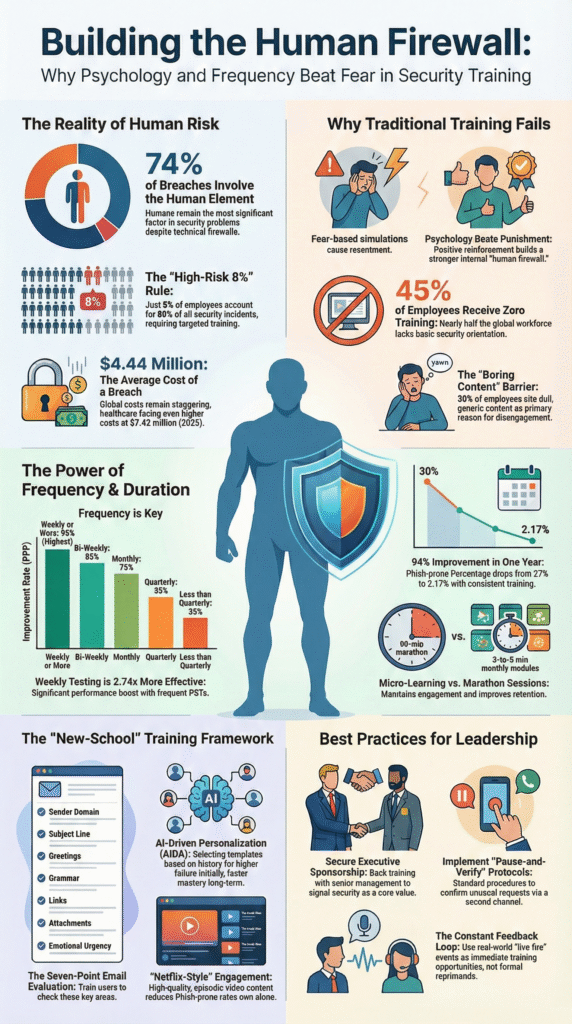
Transparency from leadership is key. Employees should know a program is running, why it’s important, and that it’s a safe space to learn. The focus must always be on positive reinforcement. Celebrate the employees who report the phishing test. Make them the heroes.
This builds a security culture where vigilance is valued, not where people are afraid to open their inbox. A good provider will have strict ethical guidelines baked into their system. When choosing awareness training platform providers, prioritize those that ensure training strengthens your team rather than fracturing it.
The old metric was simple: how many people clicked the bad link? A lower click rate was considered success. But that’s an incomplete picture. A modern program aims for a high reporting rate. You want employees to recognize and report suspicious activity, not just avoid it.
That’s the behavior change that truly reduces risk. The most valuable metrics now measure this proactive defense.
How long does it take for someone to report a phishing email? What’s the ratio of reports to clicks? How many “repeat offenders” are there after targeted training? These indicators show a workforce that is actively engaged in defense, not just passively trying not to fail a test.
They transform your employees from targets into a distributed sensor network for your security operations.
| Metric | What It Measures | Why It Matters |
| Mean Time to Report (MTTR) | The average time between a simulated phish being delivered and an employee reporting it. | Speed is critical. A fast report can stop a real attack before it spreads. |
| Phish-Prone Percentage | The portion of your workforce that interacts with simulations over a period. | Identifies high-risk groups for focused training. |
| Reporting Rate | The percentage of employees who report a simulated phish instead of ignoring it. | Indicates a mature, proactive security culture. |
Outsourced phishing simulation training uses realistic phishing scenarios, simulated phishing emails, and behavior-driven training to build employee vigilance. Teams experience phishing attacks, malicious links, infected attachments, and social engineering attack tactics in a safe way.
Over time, phishing tests reinforce best practices, strengthen security culture, and create measurable behavior change that lowers security incidents and data breaches across everyday email and text messages.
Phishing simulation programs cover deceptive emails, domain spoofing, phishing scams, malicious links, social media lures, and modern AI-driven phishing tactics. Many campaigns reflect today’s threat landscape, including credential theft, form fills, and personal information harvesting.
These phishing attack vectors help security teams prepare for real-world cybercrime tactics while improving phishing detection and faster incident response.
Regular phishing campaigns and security awareness training help meet compliance requirements by proving ongoing employee education. Campaign summaries, performance reports, and executive summaries show risk reduction and behavior change.
This supports stronger information security, better security posture, and documented security outcomes, which are essential for audits, regulatory frameworks, and long-term cybersecurity program maturity.
Yes. Small and medium-sized businesses benefit from managed phishing services without needing large security operations teams. Training sessions, phishing simulation testing, and comprehensive training programs scale easily.
These services improve employee awareness, protect IT systems, and reduce exposure to cybersecurity threats while fitting limited budgets, limited staff, and fast-changing security operations needs.
Outsourced phishing simulation training acts as a force multiplier, turning human error from a liability into an asset. It creates a continuous cycle of testing and teaching that becomes part of your company’s culture. The program delivers clear data for your security strategy and satisfies compliance needs with proof of an active awareness effort.
For MSSP partners, it’s a seamless extension that provides critical insights without the operational burden. To strengthen this last line of defense, explore our consulting services for expert guidance on integrating the right tools.

