


A Threat Intelligence Platform (TIP) helps security teams turn scattered threat data into clear, actionable intelligence for faster detection, smarter prioritization, and stronger incident response.
At MSSP Security, we use threat intelligence to help organizations connect threat data across their security environment. A TIP works alongside existing security tools, helping teams connect indicators, understand threats, and respond with more confidence. It strengthens daily security operations without replacing current technologies or workflows. Keep reading to see how a TIP can improve your security operations.
Threat Intelligence Platform Highlights: What Matters Most
A Threat Intelligence Platform strengthens security operations by giving teams the context they need to detect threats faster, investigate incidents more effectively, and make better security decisions across the entire threat lifecycle.
- Improve threat detection and response
- Increase SOC efficiency through automation
- Strengthen proactive cyber defense
Why a Threat Intelligence Platform Matters for Security Operations?
Security teams already collect huge amounts of data every day. The problem is not finding more alerts. It is knowing which ones deserve attention first.
A TIP helps security teams connect different pieces of information into one place. Instead of looking through several dashboards or searching different threat feeds, analysts can see useful context alongside the alert they are already investigating. It saves time, but more importantly, it helps them make better decisions.
Most organizations are not missing security tools. They already have a SIEM, an EDR platform, maybe even SOAR. What they are missing is a better way to connect the intelligence they already have. That is also why choosing the right threat intelligence platform matters just as much as adding another security tool.
More tools do not always solve the problem. Sometimes they make it harder.
When threat intelligence is easy to access, analysts spend less time researching and more time responding. That change sounds small. In practice, it can improve how the whole security team works.
This also matches guidance from organizations such as NIST, MITRE ATT&CK, and CISA. Their frameworks encourage security teams to use threat intelligence throughout detection, investigation, and incident response instead of treating it as a separate activity.
“ATT&CK is freely available to everyone to help develop specific threat models and methodologies. The ATT&CK knowledge base outlines common tactics, techniques, and procedures used by cyber adversaries. In doing so, ATT&CK provides a common language for defenders to have conversations about emerging threats and develop effective defensive strategies.” – MITRE ATT&CK
Organizations often see benefits like these.
- Faster incident triage
- Better alert prioritization
- More useful investigation context
- Easier collaboration across teams
- Better use of analyst time
A TIP does not replace the tools already running inside a security operations center. It connects them. The result is a clearer picture of what is happening and why it matters.
How Does a Threat Intelligence Platform Improve Security Operations?
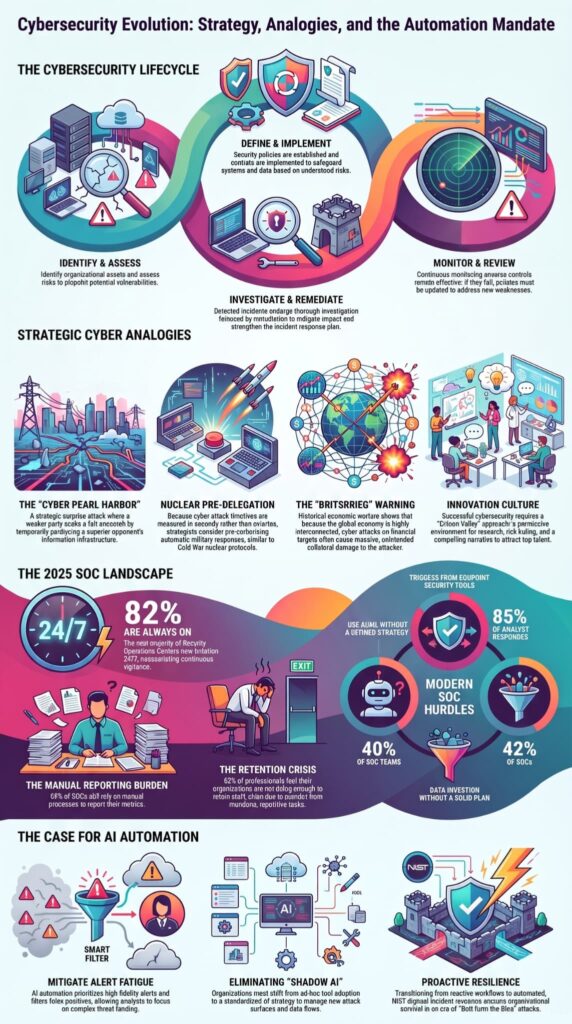
A good TIP helps security teams spend less time looking for answers and more time solving problems.
Many investigations begin the same way. An alert appears, an analyst opens several browser tabs, checks threat feeds, searches malware databases, and reads reports before deciding whether the activity is important.
A TIP brings much of that information together, making it available from the start of the investigation. Analysts still review the evidence, but they are not beginning with an empty page. This becomes much easier once organizations understand what a threat intelligence platform is and how it centralizes intelligence from multiple sources.
Working with MSSPs has shown us that delays are often caused by scattered information rather than missing technology. Once intelligence is easier to reach, investigations become more consistent and teams can respond with greater confidence.
How Does a TIP Reduce Alert Fatigue?
Security teams deal with alerts all day. Some are important. Many are not.
Sorting through them takes time.
A TIP helps by checking indicators against trusted intelligence sources and adding context before an analyst starts digging deeper. Alerts connected to known malicious activity move higher on the priority list, while lower confidence events can wait until later.
That helps teams achieve several practical improvements. These outcomes reflect the broader benefits of a threat intelligence platform, especially for security teams that need faster investigations and more consistent alert prioritization.
- Fewer false positives
- Faster investigations
- Better analyst productivity
- Lower Mean Time to Respond
- More consistent prioritization
Why Is Threat Intelligence Essential for Modern SOC Teams?

Security teams cannot afford to wait until an attack spreads across the environment. By then, the damage may already be done.
That is why threat intelligence has become part of day to day SOC operations.
A TIP helps analysts understand how attackers work, what tools they use, and which techniques are becoming more common. Instead of looking at each alert by itself, analysts can connect it to a bigger picture. That makes investigations more focused and helps teams respond with greater confidence.
MITRE ATT&CK has become one of the most useful resources for this reason. It gives security teams a common way to describe attacker behavior, making it easier to investigate incidents and share information across teams.
“Threat-informed defense is a continuous process in which defenders and adversaries are constantly learning and evolving. Cyber threat intelligence means knowing the adversary and their tactics, techniques, and procedures, while defensive measures focus on prevention, detection, and mitigation tailored to known threats.” – Center for Threat-Informed Defense (MITRE)
Which Threat Intelligence Features Deliver the Most Value?

Some TIPs include dozens of features. That does not mean every feature will improve security operations.
Organizations gain the most value from capabilities that help analysts during daily investigations. Fancy dashboards are nice. Faster investigations matter more.
Which Capabilities Matter Most?
Source: Adam Goss
Several features continue to provide value across different security environments.
- Threat feed aggregation
- Automated enrichment
- Threat correlation
- Intelligence sharing
- Malware intelligence
- Phishing intelligence
- Centralized intelligence management
- IOC management
Together, these capabilities help security teams understand what they are seeing without repeating the same research over and over.
FAQs
What are the biggest benefits of a threat intelligence platform for security teams?
The biggest benefits of a threat intelligence platform include centralized threat intelligence management, better threat feed aggregation, and improved security operations efficiency. A platform collects intelligence from multiple external intelligence sources and organizes it into a centralized intelligence hub. This process gives analysts actionable threat intelligence that supports informed decisions, strengthens risk reduction, and improves the consistency of daily security operations.
How does threat intelligence for security operations improve daily SOC work?
Threat intelligence for security operations improves the way a security operations center handles alerts and investigations. It strengthens SOC threat intelligence by providing alert enrichment, threat correlation, and more accurate incident triage. Analysts receive additional context for each alert, which reduces manual work, improves analyst productivity, supports faster investigations, and increases the overall efficiency of the SOC workflow.
Why is threat data enrichment important during security investigations?
Threat data enrichment gives analysts the context they need to understand an alert before taking action. It combines malware intelligence, phishing intelligence, compromise indicators, and adversary intelligence with internal security data. This additional information improves threat context, increases investigation speed, enhances security decision making, and provides better situational awareness throughout the investigation process.
Can a threat intelligence platform improve threat detection and incident response?
Yes. A threat intelligence platform improves real-time threat detection by combining threat intelligence automation, automated enrichment, and intelligence integration with existing security tools. It also supports incident response acceleration, response automation, and threat response coordination by giving analysts the information they need to respond quickly. These capabilities improve detection accuracy, strengthen enhanced defense, and support proactive cyber defense.
How does threat intelligence support long term cyber defense strategies?
Cyber threat intelligence supports a long term cyber defense strategy by helping organizations understand evolving threats and prioritize security improvements. It improves attack surface visibility, enables continuous monitoring, and strengthens threat assessment. It also supports vulnerability prioritization, mitigation planning, security analytics, and security posture improvement, allowing organizations to build operational resilience and maintain intelligence-driven security over time.
Strengthening Security Operations with a Threat Intelligence Platform
A Threat Intelligence Platform helps you respond faster, but that’s only part of the value. It gives your team better context, improves threat intelligence management, supports more accurate detection, and helps you make better security decisions every day. That means less time chasing false alarms and more time focusing on real risks. That’s what makes a real difference.
If you’re looking for a simpler way to improve security operations, MSSP Security is here to help. Our vendor neutral consulting helps reduce tool sprawl and build a security stack that fits your needs. Backed by more than 15 years of experience and over 48,000 completed projects, we provide practical support from planning to implementation.
References
- https://www.mitre.org/focus-areas/cybersecurity/mitre-attack
- https://attack.mitre.org/resources/