

A company’s biggest security weakness is its own staff. But that’s also the best place to build your strongest defense. A genuine security culture makes safe behavior automatic for everyone. It’s not a list of rules; it’s a shared belief.
Organizations where security is instinctual, where people just get it, stop more breaches than those relying on policy manuals alone. This approach directly counters the human mistakes causing most incidents. Forget compliance. Making this shift requires focused effort. Learn to building security culture organization for real protection. Keep reading.
Security Culture Essentials
- Leadership Sets the Tone: Executive commitment, measured by budget and participation, is the non-negotiable foundation for credible security practices.
- Engagement Beats Enforcement: Interactive, gamified training and a “no-blame” reporting culture drive real behavioral change far better than mandatory lectures.
- Measure What Matters: Track specific human-risk metrics like phishing report rates and training engagement to move beyond checkbox compliance and prove cultural impact.
Why Belief Outperforms Policy Every Time
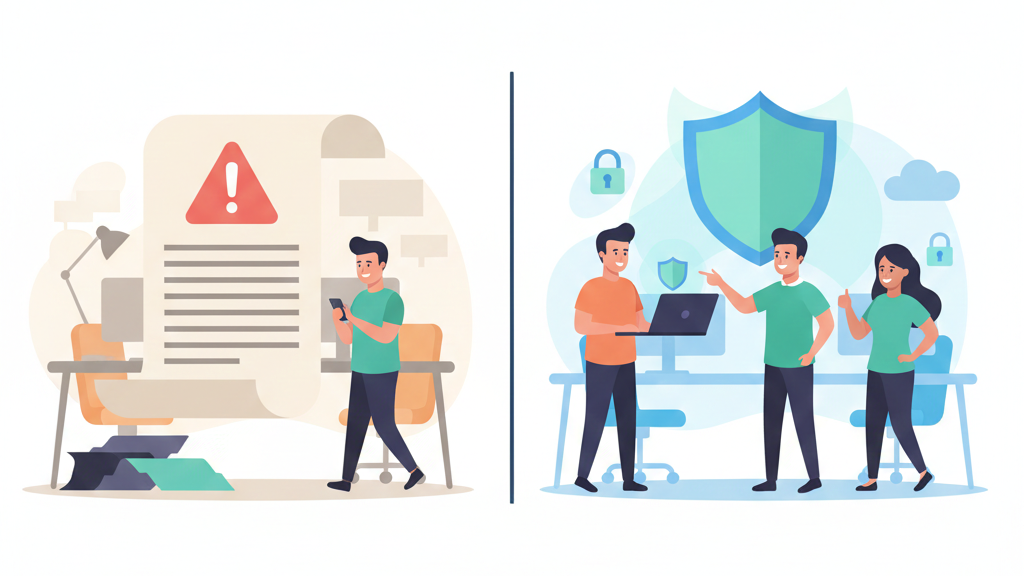
Policies tell people what to do, culture tells them what to believe. When the alert flashes at 5 PM on a Friday, culture determines the click. We know from industry data that human involvement is a factor in about 74% of breaches. A policy might mandate reporting a phishing email, but a culture makes someone want to report it, to protect their team.
“The real purpose of cybersecurity awareness and training efforts should be to create a culture of security, meaning that employees should view good cybersecurity practices as good business and as part of ‘how we do business here.” – NIST (National Institute of Standards and Technology)
It’s the difference between a rulebook and a reflex. This is where the real work begins, moving security from an IT mandate to a shared value. It’s about making the safe choice the easy, and obvious, one.
A security-first mindset addresses vulnerabilities policies can’t touch.
- It turns hesitation into immediate action during an incident.
- It encourages questioning unusual requests, even from authority.
- It makes security discussions a normal part of project planning.
Without this foundational belief, the most sophisticated technical controls can be undone by a single moment of understandable human error. The goal is to align individual habits with organizational safety, creating a unified front.
How Leaders Build Trust, Not Just Rules
Credits: Keepnet Labs
In our work with MSSPs, we see a common problem: security is treated as an IT issue, not a business one. The attitude always starts at the top. We’ve been in companies where executives skip their own mandatory training, and that single act tells everyone security doesn’t matter.
Real leadership looks different. It’s the CEO mentioning a recent phishing test in a company-wide meeting. It’s a specific, protected budget for awareness programs, not just new firewalls. When leaders actively participate, they legitimize the entire effort.
This visible buy-in is non-negotiable; it builds the psychological safety required for the next step, honest reporting of mistakes and suspicious activity.
That trust is your foundation. You spend it every time you ask a team to adopt a cumbersome new process or to report their own error. Without it, any security initiative is built on sand. We help our MSSP partners have these crucial conversations with their clients.
By providing external benchmarks and framing security as a strategic investment, not a cost center, we turn a departmental chore into a shared mission.
The Pillars of a Measurable Security Culture
To build deliberately, you need a framework. Move beyond vague goals like “be more secure” and focus on measurable pillars of human behavior, especially when choosing awareness training platforms that can actually track meaningful human-risk metrics.
| Pillar | Focus Area | What to Measure |
| Responsibility | Personal Ownership | Phishing email report rate, speed of incident reporting. |
| Awareness | Perceived Threat Level | Survey scores on risk knowledge, quiz results from training. |
| Empowerment | Ability to Act Correctly | Training completion rates, simulation failure rates over time. |
These pillars shift the conversation. Instead of asking “are we compliant,” you ask “are our people feeling responsible, aware, and empowered?” The metrics provide answers. For instance, a rising report rate for suspicious emails directly reflects growing responsibility. This data-driven approach is what separates a performative program from a living, evolving culture. It allows for targeted interventions, not shotgun blasts of generic training.
Ditch the Lectures for Gamified Learning
Traditional, annual security awareness training management is often a forgettable checkbox. People click through slides, pass a quiz, and retain almost nothing. To change habits, you need engagement and context. This is where modern, interactive methods change the game. Bite-sized, gamified simulations delivered regularly create a different experience.
“Psychological safety is a core component of security culture and when employees fear repercussions, reporting decreases and hidden issues increase. If people don’t feel safe reporting, they avoid it – or worse, hide it. That’s when things spiral.” – Hoxhunt
They’re challenging, sometimes fun, and directly relevant to daily work. Platforms using this method see engagement rates soar past 90%, because it feels more like a challenge than a chore.
The magic is in the simulation. Getting a fake phishing email in your actual inbox tests real-world vigilance. Clicking it leads to a instant, constructive lesson, not a reprimand. This micro-learning approach embeds knowledge through practice.
We’ve observed failure rates in these simulations drop dramatically, by factors of 20x or more, as users learn to spot the tricks. It’s training that meets people where they are, in the flow of work. This consistent, low-stakes practice builds the muscle memory needed for a real attack, making security intuitive.
Why “No-Blame” Is Your Best Reporting Tool
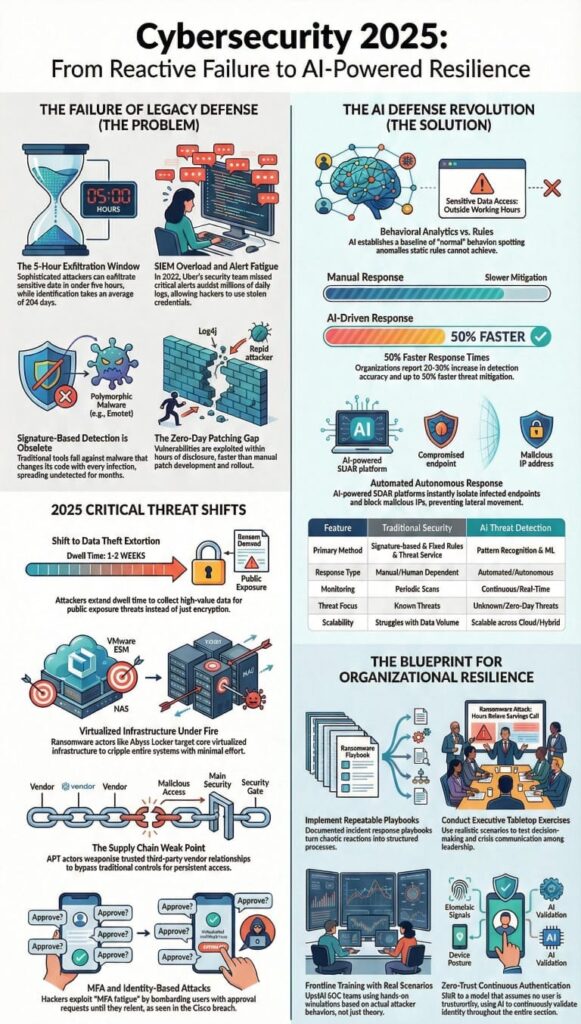
A culture of fear guarantees hidden breaches. If an employee believes clicking a malicious link means public shaming or worse, they will hide the mistake. That hidden error gives an attacker precious extra hours or days to move laterally through your network. Psychological safety is therefore a security control.
A “no-blame” reporting culture encourages immediate disclosure, which is the single biggest factor in containing an incident before it becomes a catastrophe. The focus must shift from “who failed” to “what can we fix.”
This means celebrating reports, even of minor mistakes. When someone reports a suspicious text, thank them publicly. When a developer admits a misconfigured cloud setting, treat it as a learning opportunity for the whole team. This approach requires consistent reinforcement from managers and security teams alike.
We position ourselves not as the “Department of No,” but as partners in problem-solving. This transforms the security team’s relationship with the rest of the organization, fostering open communication that is far more valuable than any punitive policy.
Preparing for the 2026 Threat Shift with AI
The threat landscape is accelerating. By 2026, AI will be the primary attacker, not just a tool for defense. We’re talking about deepfake phishing so convincing and automated attacks so fast that static, annual training is already obsolete. Your security culture must adapt at the same speed.
The solution is to personalize defense using the same technology. AI-driven training can identify an employee’s specific weaknesses and deliver customizing training content roles that address that exact gap.
This approach ensures training is always relevant and genuinely challenging, preparing your team for the sophisticated social engineering that’s coming. It aligns with a Zero Trust mindset, where constant verification is standard. Your culture needs the agility to embrace these tools now.
Making Security Everyone’s Job, Every Day
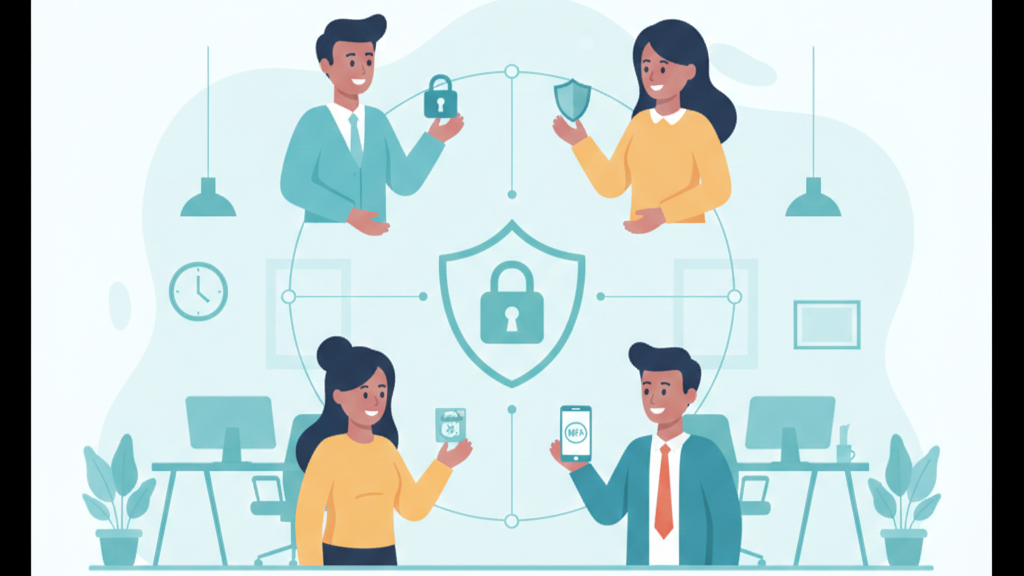
A security culture that lasts can’t be siloed in IT. It needs to be part of every department’s daily work. This demands intentional collaboration.
HR should embed security into onboarding and performance reviews. Legal must connect policies to actual incident response plans. Finance requires strict procedures to stop payment fraud; they’re a key defense. This cross-functional effort breaks down internal walls.
Simple internal branding, like a recurring “Security Tip” in company updates, helps keep the topic visible and approachable. The aim is to make security a normal part of business conversation, whether discussing a new marketing campaign or a vendor contract.
When teams see security as an enabler for their goals, not a roadblock, adoption happens naturally. For many organizations, their MSSP acts as the central orchestrator, facilitating communication between departments with competing priorities to ensure security remains a consistent, shared thread.
FAQ
What is building security culture organization and why does it matter?
Building security culture organization means shaping everyday behaviors so people naturally follow strong security practices. Instead of relying only on rules, teams build shared ownership of information security and risk management.
This matters because most security incidents start with human behavior. A strong security culture helps employees spot cyber threats early and reduces the chance of costly data breach events.
How do you start building security culture organization in small teams?
Start building security culture organization by focusing on simple, visible security measures first. Provide practical security awareness training, enable multi-factor authentication, and clarify security responsibilities for each role.
Small teams should also run phishing simulations and encourage security incident reporting. These early steps strengthen employee engagement and create momentum for a sustainable Human Risk Management approach.
What role does leadership play in sustaining security culture organization?
Leadership sets the tone for building security culture organization. When executives actively support security policies, fund employee training, and participate in incident response planning, teams take security seriously.
Security Program Managers and Business Information Security Officers often drive this alignment. Visible leadership support improves security adoption, strengthens organizational culture, and reinforces long-term cyber risk mitigation strategy efforts.
Which metrics show security culture organization is improving?
To measure building security culture organization, track behavioral security model indicators. Useful security metrics include phishing report button usage, security awareness program participation, and faster security incident reporting.
Many security professionals also monitor risk assessments, risk register updates, and reduced behavior-driven risks. Improvements in these areas usually signal stronger security posture and more mature Human Risk Management Strategy.
The Cultural Foundation for a Secure Future
The most reliable long-term defense is a resilient security culture. It turns your staff from the primary risk into your strongest asset. This starts with leadership commitment, is built through adaptive training, and is sustained when every team takes ownership. It replaces fear with shared capability.
Technical controls are only as strong as the people using them. This human foundation is what lets an organization adapt and endure against modern threats.
To build a tech stack that empowers this culture, explore our expert consulting for MSSPs.
Let’s Build Your Perfect Tech Stack
References
- https://www.nist.gov/blogs/manufacturing-innovation-blog/creating-culture-security
- https://hoxhunt.com/blog/creating-a-company-culture-for-security