

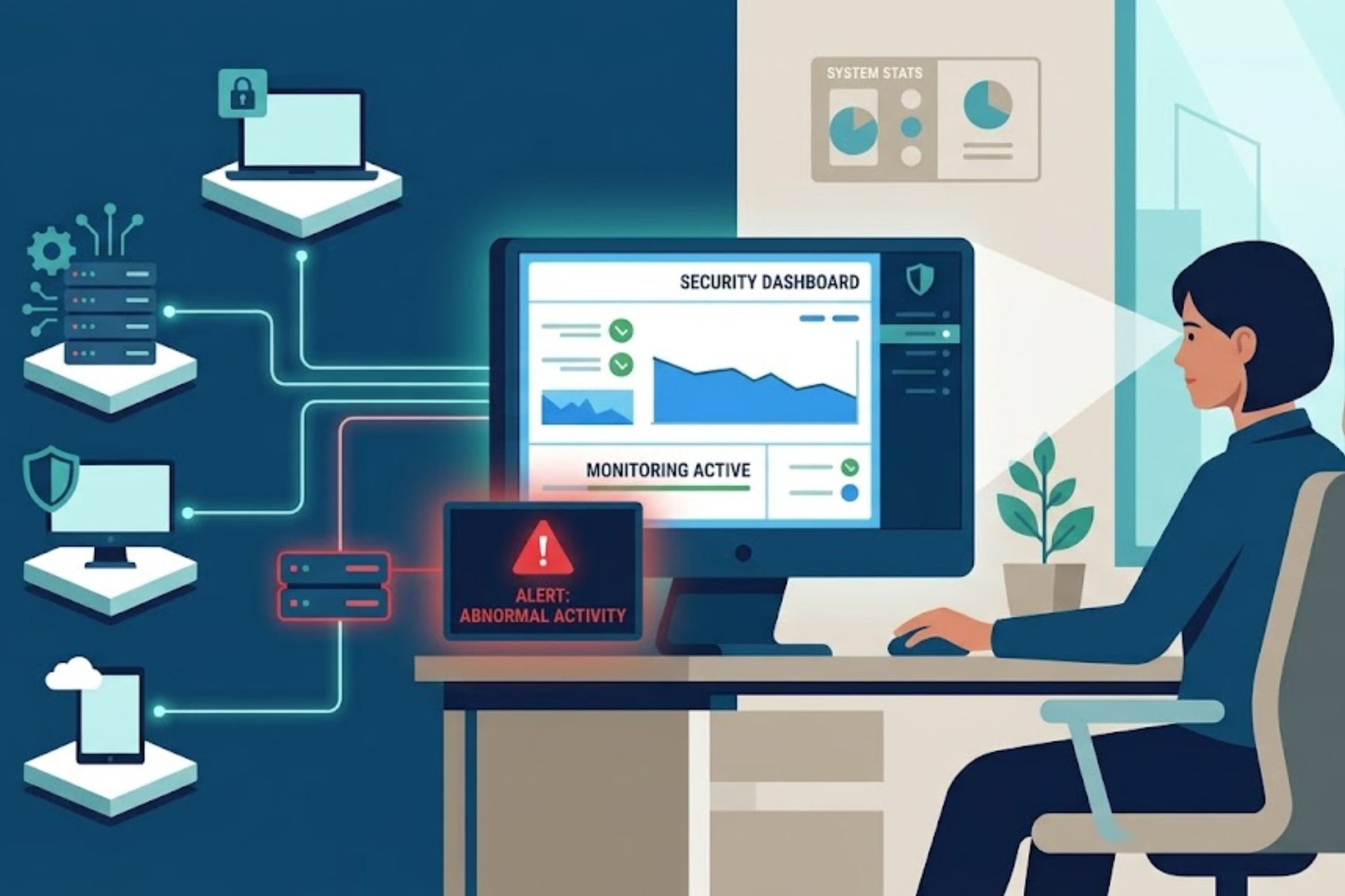
EDR helps organizations see what is happening on their devices and respond faster when threats appear. Endpoint Detection and Response collects activity data from workstations, servers, cloud workloads, and remote devices, giving security teams more information during investigations.
At MSSP Security, we have seen that strong endpoint visibility is not only about collecting data. It is about helping teams understand risks and take the right action when something unusual happens.
This guide explains how EDR visibility and response capabilities support better security operations. Keep reading to learn what matters when building an effective endpoint security approach.
Endpoint Security Quick Wins: Visibility and Response Essentials
A strong endpoint security approach depends on seeing what happens across devices and responding quickly when threats appear.
- Endpoint visibility helps security teams gain real-time insight into device activity and potential risks.
- Endpoint response capabilities help teams move from threat detection to faster investigation and action.
- A mature endpoint security strategy combines the right technology, processes, and security expertise.
Why Does Endpoint Visibility Matter In Modern Security?
Security teams need to know what is happening on their devices.
That sounds obvious, but many organizations still struggle with basic visibility. They may have hundreds or thousands of endpoints, and not every device is easy to track.
A laptop used by a remote employee. A server running an old application. A cloud workload that was added without proper review.
Small gaps can become security problems.
“Understanding the business context, the resources that support critical functions, and the related cybersecurity risks enables an organization to focus and prioritize its efforts.” – National Institute of Standards and Technology (NIST)
Endpoint visibility gives teams information about:
- Running applications
- User activity
- File changes
- Network connections
- System behavior
This information helps analysts understand an incident better. Instead of seeing only a warning message, they can look at what happened before and after the event.
That context matters.
At MSSP Security, we review endpoint products for MSSPs that need to understand how tools perform in real environments. We have seen many platforms that look similar during a demo. The difference usually appears when analysts need to investigate an actual alert.
Good visibility can save valuable time.
How Does Endpoint Visibility Improve Threat Detection?
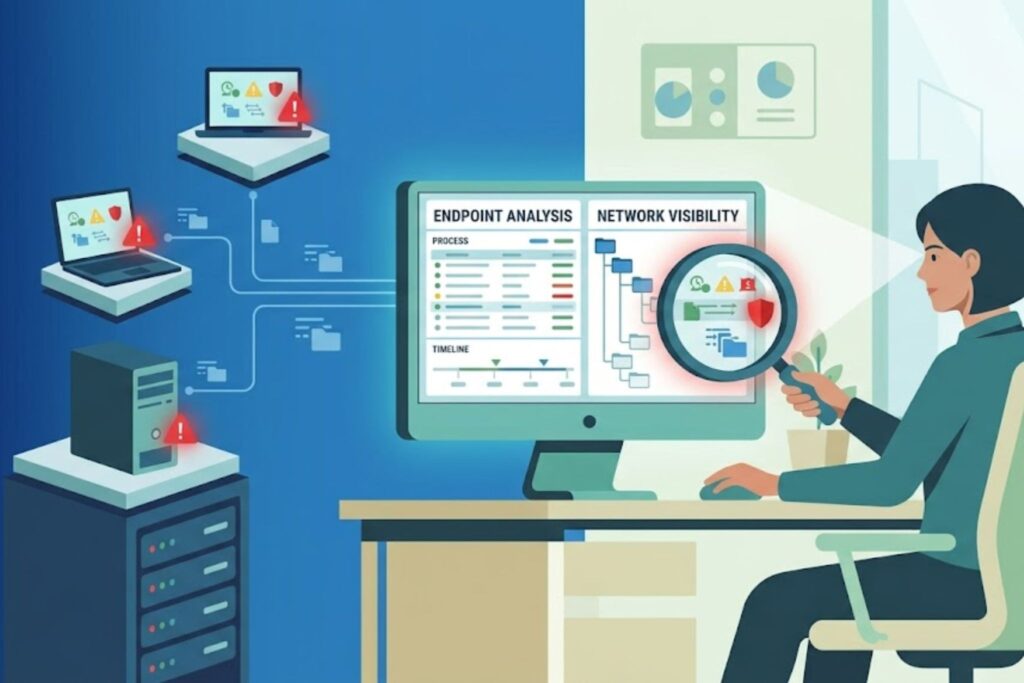
Modern attacks do not always look like traditional malware.
Attackers often use normal tools, stolen accounts, or built in system features to avoid attention. Because of this, security teams need more than simple detection rules.
Endpoint visibility helps identify unusual behavior, such as:
- Strange process activity
- Suspicious scripts
- Unexpected login behavior
- Unauthorized changes
- Unusual network traffic
For example, a script running on an administrator computer may be normal. The same script running from an unknown user account could be a warning sign.
The activity itself is not always the problem. The situation around it matters.
Why Is Endpoint Network Monitoring Important?
Endpoints do not work alone.
They connect to websites, cloud services, internal systems, and outside networks. Watching these connections can reveal activity that is difficult to notice from the device alone.
Endpoint network monitoring helps teams find:
- Unknown connections
- Suspicious communication
- Data transfer activity
- Remote access attempts
A compromised device may look normal at first. But if it starts sending information to an unusual location, that could be a sign of a larger issue.
Network visibility adds another piece to the investigation.
How Do Endpoint Response Capabilities Stop Active Threats?
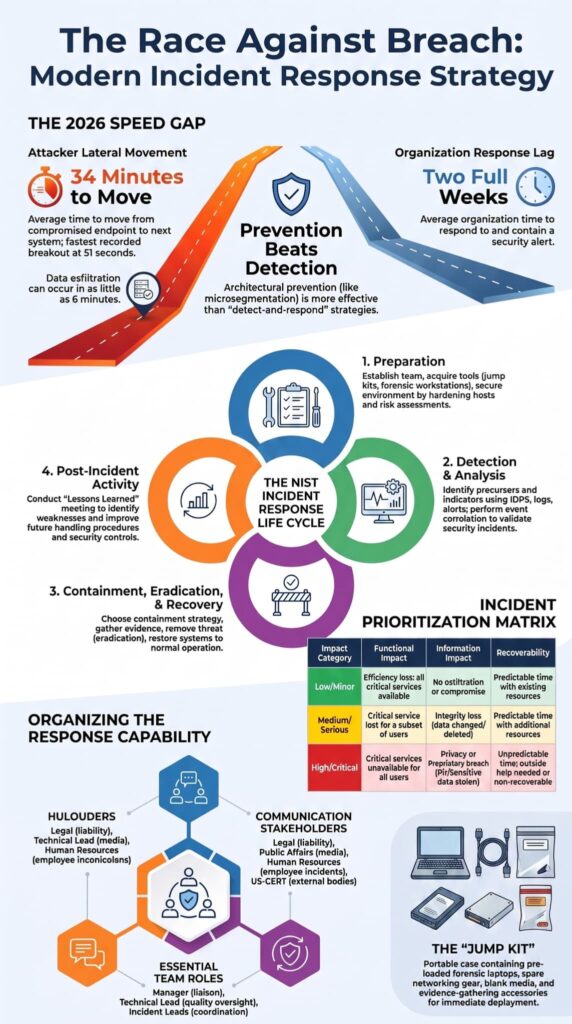
Finding a threat is only the first step.
Security teams also need ways to limit the damage. Different EDR and XDR tools can help organizations improve threat investigation by connecting endpoint activity with broader security context, making response decisions more accurate.
Endpoint response features help teams take action when something goes wrong.
Common actions include:
- Isolating devices
- Blocking harmful files
- Stopping suspicious processes
- Collecting evidence
For example, if a laptop shows signs of ransomware activity, isolating that device can help prevent the attack from spreading to other systems.
Fast action matters.
“Incident response activities help organizations reduce the number and impact of incidents while improving the efficiency of detection, response, and recovery processes.” – National Institute of Standards and Technology (NIST)
How Does Automated Endpoint Response Improve Security?
Automation can help teams respond faster.
Instead of handling every step manually, security tools can perform approved actions automatically.
Examples include:
- Blocking known threats
- Starting investigations
- Collecting forensic information
- Applying response rules
But automation needs control.
A security rule that blocks a real threat is helpful. A rule that stops an important business application can create a different problem.
That is why testing matters.
During our reviews, we often look at how vendors handle automation. The question is not only whether a product can automate. The question is whether the automation can be managed safely.
Why Is Attack Chain Visibility Important?
Security teams often see the same problem. They have alerts, but they do not always have the full story.
An attack rarely happens in one clear move. A user might open a phishing email, an attacker may steal login details, and a compromised device could become the next entry point.
Each event can look small when viewed alone.
Together, they can reveal an attack.
Attack chain visibility helps security teams understand what happened from the first suspicious action until the final impact.
Teams can review:
- Initial access
- User activity
- Device changes
- Attacker movement
This is something we often look at when helping MSSPs review security products. A platform may generate many alerts, but the real question is whether analysts can connect those alerts quickly.
More alerts do not always mean better security.
Clearer answers matter more.
Why Should Endpoints Connect With SIEM And SOAR?
SIEM and SOAR support different parts of security operations. SIEM and SOAR integration helps security teams connect endpoint data with broader security workflows, making it easier to investigate incidents and automate approved response actions.
SIEM helps teams collect and review security data.
SOAR helps automate actions after a security event is confirmed.
| Tool | Main Purpose | Example Use |
| EDR | Endpoint monitoring | Finds suspicious device activity |
| SIEM | Log analysis | Connects security events |
| SOAR | Automation | Runs response steps |
| XDR | Threat correlation | Links activity across systems |
When these tools work together, security teams spend less time collecting information manually.
For example, EDR may detect a suspicious process. SIEM can check related login activity. SOAR can trigger an approved response action.
Each tool adds another piece.
What Challenges Affect Endpoint Visibility And Response?

Endpoint security does not stop after deployment. Many companies learn this after buying a product. The installation goes well, but managing alerts and policies becomes the harder part. These EDR deployment challenges often appear when teams lack proper planning, ongoing tuning, and clear ownership of security operations.
Security tools need regular review.
When Should Organizations Consider Managed Endpoint Security?
Source: Secneedle
Not every company has enough security staff to manage EDR properly.
Monitoring alerts, investigating threats, and improving policies require time and experience.
Managed endpoint security can support organizations that need:
- Security monitoring
- Investigation support
- Product guidance
- Response assistance
For many teams, outside expertise helps fill operational gaps.
FAQs
What Does Endpoint Visibility Mean in Cybersecurity?
Endpoint visibility means having clear insight into devices, user activity, processes, and security events across an organization’s environment. Strong visibility includes endpoint activity telemetry, file changes, network connections, and user actions. With better endpoint visibility, security teams can detect unusual behavior earlier, investigate incidents more effectively, and make informed decisions when responding to security threats.
How Do Endpoint Response Capabilities Help During Threats?
Endpoint response capabilities help security teams take action after detecting suspicious activity on devices. These actions may include investigation, isolation, containment, and remediation. Effective endpoint incident response helps teams reduce the impact of security threats, while automated endpoint response can minimize manual tasks and allow analysts to handle incidents more consistently.
Why Is Real-Time Endpoint Monitoring Important?
Real-time endpoint monitoring helps organizations understand device activity as events happen. By collecting endpoint security telemetry, teams can track system changes, analyze suspicious behavior, and identify potential threats before they spread. This visibility supports faster investigations, improves endpoint threat detection, and helps security teams respond more effectively to changing attack techniques.
How Can Teams Improve Endpoint Threat Detection?
Improving endpoint threat detection requires more than collecting security alerts. Teams need processes that analyze behavior, identify unusual activity, and provide enough context for investigation. Endpoint behavior analytics, endpoint process monitoring, and endpoint network connection monitoring help security teams detect suspicious patterns and determine whether activity requires further action.
What Should Organizations Consider When Managing Endpoint Security?
Organizations should consider visibility, response processes, and continuous monitoring when managing endpoint security. A strong strategy includes endpoint asset discovery, endpoint configuration assessment, and endpoint security posture monitoring. Teams should also maintain endpoint response playbooks, improve compliance visibility, and review audit trail logging to support consistent protection across all connected devices.
Strengthen Endpoint Visibility With a Strategy That Works
Endpoint security can become challenging when teams lack clear visibility into what’s happening. You need a response approach that helps identify problems quickly and supports better decisions. That’s the key.
MSSP Security helps organizations improve endpoint visibility through vendor neutral consulting, security assessments, product evaluation, and operational guidance. With more than 15 years of experience and over 48,000 completed projects, the team helps businesses build endpoint strategies that match their security needs and goals.
References
- https://csrc.nist.gov/pubs/sp/800/61/r3/final
- https://www.nist.gov/cyberframework/csf-11-five-functions