

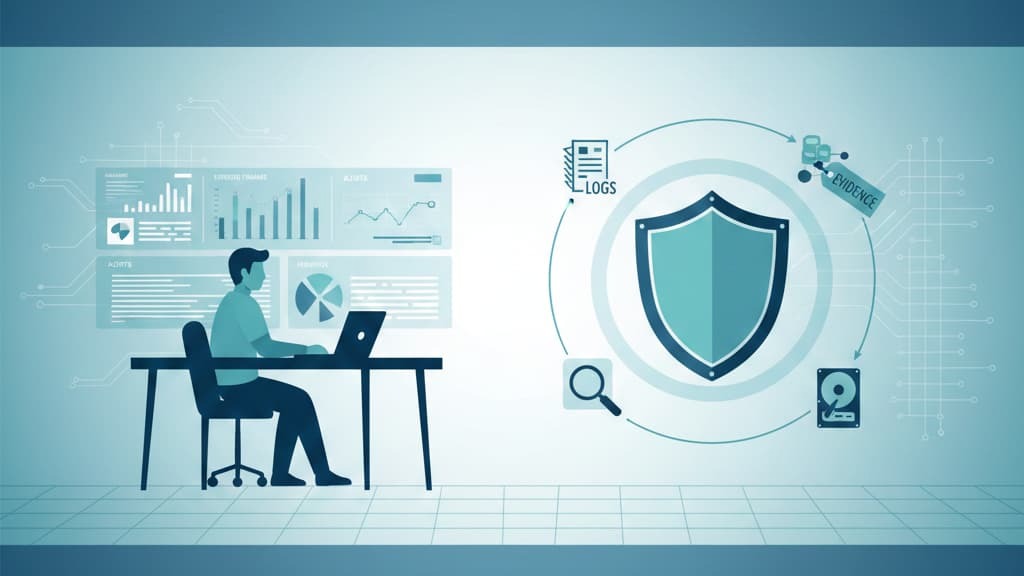
Forensic readiness planning is simply getting your evidence, people, and systems ready before a cyber incident happens. Instead of scrambling later, you already know what data matters, how long to keep it, and who is responsible for preserving and reviewing it.
That preparation helps teams collect and protect digital evidence in a way that supports both legal needs and daily business. It also keeps investigations more focused, with fewer surprises and fewer gaps in the story.
If you want to see how this actually works in real cases, and how we structure it in our own process, keep reading.
Key Takeaways
- Good forensic readiness planning cuts response time and protects digital evidence.
- Clear policies, tools, and training shape stronger forensic capabilities.
- Being ready boosts compliance, saves money, and prevents evidence loss.
The High Cost of Cyber Unpreparedness
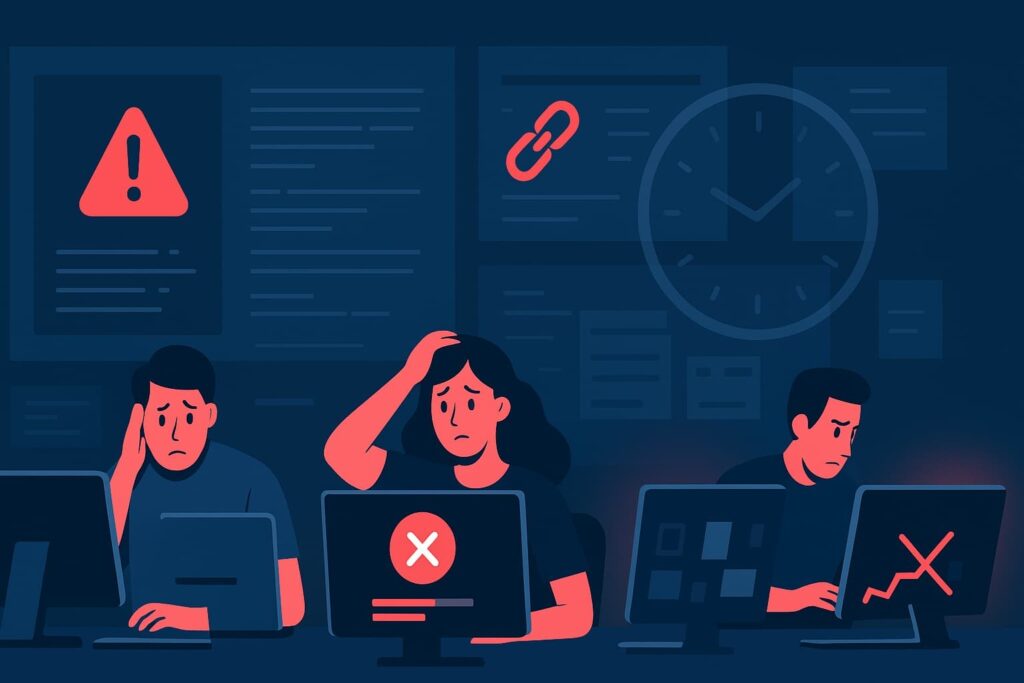
We see unprepared teams learn this lesson in real time, and it’s rarely gentle. One breach, one insider mistake, or one misconfigured tool can stall operations, drain security budgets, and shake client trust for months. Recovery often drags on, not because the incident is impossible to handle, but because evidence collection is slow, scattered, or flat-out missing.
In many cases, gaps appear long before the response even starts, something we often see when teams lack the grounding that strong digital forensics practices provide.
In our work with MSSPs, we’ve watched digital forensics turn into guesswork when there’s no forensic readiness behind the scenes.
Security logs disappear after a default retention window, data that should have been preserved gets overwritten, and chain of custody is broken halfway through an investigation. Leaders then sit in briefings with more questions than answers while costs climb and timelines stretch.
We’ve been on calls where MSSPs scramble during a data breach investigation, trying to reconstruct events from half-complete audit trails or inconsistent incident tickets.
Weak incident management and poor evidence handling don’t just cause confusion, they show up later in regulatory reviews and legal disputes, where courts and regulators are not patient with gaps in proof.
From what we’ve seen, forensic maturity has become a baseline expectation, not a nice-to-have. For MSSPs, that means choosing products that support proper logging, secure evidence handling, and defensible documentation by design.
When we help MSSPs select and audit new tools, one pattern is hard to ignore: providers that build forensic readiness into their stack recover faster, protect data integrity better, and keep their clients’ business running with far fewer late-night emergencies for everyone involved. [1]
What is Forensic Readiness Planning?
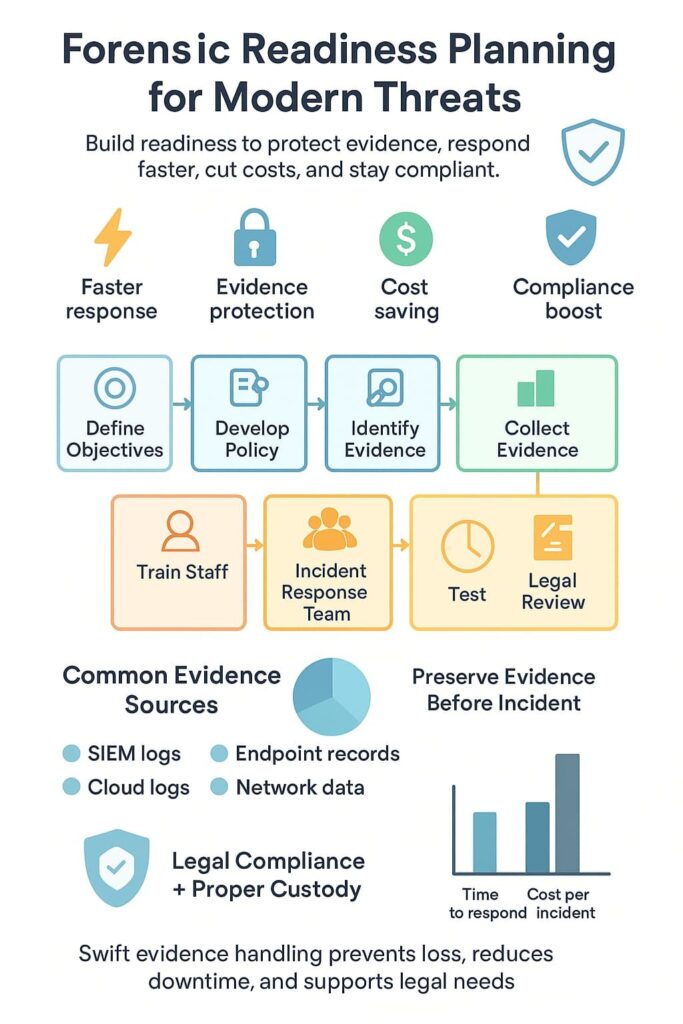
Credits: Debra McCusker
Most teams first meet “forensic readiness” in the middle of a crisis, when they realize they don’t have it. At its core, forensic readiness planning is simply getting ready before an incident, so collecting and using evidence isn’t a mad scramble later.
Instead of waiting for an attack and reacting on instinct, organizations shape their environment so evidence is easier to find, capture, and defend both technically and legally.
From what we’ve seen working with MSSPs, this planning turns into a mix of policies, workflows, and tool choices that all support incident response and forensics. That means selecting platforms that log the right data, defining how evidence is handled, and agreeing on who does what when an alert becomes a full incident.
These early choices also shape how teams perform day-to-day malware analysis when suspicious activity shows up in logs or endpoints.
For many providers, this stretches from forensic toolkit selection and log policies all the way to how alerts are triaged and documented inside the SOC.
We often watch the difference play out during product audits. MSSPs with a clear forensic readiness framework think about data integrity, chain of custody, and retention up front, not as an afterthought.
Their logging, endpoint visibility, forensic imaging tools, and monitoring are mapped to specific evidence questions: Where did the attacker enter? What did they touch? How far did it spread? That early mapping makes the entire workflow smoother, so investigations move faster, facts stay cleaner, and leadership can make decisions with a lot more confidence.
Why Forensic Readiness Matters
Forensic readiness matters because evidence disappears fast. Swift incident response becomes impossible without proper forensic preparedness. When organizations practice evidence preservation and follow forensic standards, they reduce the risk of losing critical forensic data.
Regulatory compliance demands proper evidence admissibility. Whether dealing with GDPR, financial regulators, or national laws, forensic best practices are necessary.
Cost savings are another major benefit. A structured incident response plan supported by forensic capabilities means shorter downtime and fewer gaps in forensic reporting. Reputation management depends on transparency and accuracy; proper forensic readiness gives leadership the confidence to communicate clearly during a security incident.
And when root cause analysis is strong, teams prevent repeat attacks. We at MSSP Security always encourage building forensic governance early, because the return on investment is significant: fewer surprises, stronger cyber defense, and reliable digital traceability.
Define Objectives and Scope
Every forensic readiness plan begins with clear goals. Some organizations want better regulatory compliance. Others want faster incident response or improved forensic methodologies.
Defining these objectives shapes everything: forensic risk management, forensic readiness steps, and evidence security needs. Scope must also be set early. Which systems matter most? Which departments handle digital evidence? Which logs and audit trails must be collected?
Mapping these details improves forensic incident management and evidence acquisition. A good scope also identifies where forensic intelligence and attack analysis should focus, whether on cloud systems, internal servers, or hybrid environments.
When we help teams define their scope, we ask them to imagine the worst-case scenario. This mindset keeps objectives practical, aligned with business operations, and suitable for a long-term forensic readiness lifecycle.
Develop a Readiness Policy
A readiness policy is the backbone of forensic strategy. It outlines forensic procedures, digital investigation steps, regulatory compliance expectations, and methods for safeguarding evidence.
A strong policy serves as a legal and operational guide, explaining how evidence collection must occur, how data should be preserved, and how forensic standards must be applied.
This policy should integrate with existing security policies and incident response frameworks to avoid overlap. It acts as the foundation for forensic governance and ensures that every team, from legal to IT, understands their evidence handling duties.
Forensic readiness planning requires clarity. That is why the policy must be direct, practical, and supportive of forensic audit processes. As we have seen in real investigations, an unclear policy leads to disputes, mistakes, and missed evidence.
Identify Potential Evidence Sources
Evidence exists in many places. Forensic readiness requires knowing exactly where to look.
Typical evidence sources include:
- SIEM logs
- Endpoint activity records
- Cloud service logs
- Email metadata
- Network traffic data
- Memory dumps
- Authentication logs
- Mobile device records
MappIng these sources early prevents panic and supports stronger evidence acquisition when incidents occur.
Establish Evidence Collection Mechanisms
The next step is building strong evidence collection systems. These include automated security monitoring, SIEM tools, forensic technology for data acquisition, and secure storage systems that protect evidence integrity. Evidence collection must follow forensic protocols to ensure admissibility and accuracy.
Using forensic imaging, secure audit trails, and data preservation tools helps maintain digital traceability. Collection mechanisms should also support rapid incident containment forensics.
These systems often intersect with incident response workflows, especially when teams collect data during active threats that may involve early-stage malware behavior.
By establishing these systems early, organizations gain better forensic capabilities and a reliable forensic response workflow. At MSSP Security, we emphasize secure and consistent data acquisition because evidence must remain unaltered to hold up in court or regulatory review.
Train Key Personnel
People matter as much as tools. Forensic training builds awareness across IT, legal, and security teams. Employees must understand the forensic process, from incident detection to evidence handling.
Training should cover forensic toolkit usage, forensic documentation habits, and forensic readiness assessment skills. Clear roles prevent confusion during a cyber incident.
Mock drills, hands-on sessions, and cross-team workshops help strengthen forensic expertise. When personnel understand their roles, forensic methodology becomes consistent. Mistakes decrease. Evidence becomes more reliable. We often guide teams through training because preparedness depends on human readiness, not just technology.
Set Up Incident Response Teams
Every forensic readiness plan needs a capable incident response team. These individuals manage forensic investigation steps, coordinate evidence collection, and ensure the chain of custody remains intact.
Their responsibilities include threat hunting, attack analysis, forensic reporting, and maintaining forensic intelligence. Communication channels must be predefined to avoid delays.
Incident response teams help bridge forensic procedures with operational needs. Their presence strengthens forensic preparedness, reduces confusion, and supports forensic best practices. Proper team structure ensures accountability and speeds up evidence gathering during a security incident.
Regularly Test and Update the Plan
Forensic readiness is not a one-time project. It requires regular testing, mock investigations, tabletop exercises, and forensic readiness testing cycles.
These assessments reveal gaps in forensic maturity, evidence handling weaknesses, and outdated forensic processes. Testing also prepares teams for changing technologies, new attack methods, and evolving legal standards.
Plans must be updated as systems grow. Old logs may become irrelevant; new cloud services may store critical digital evidence. A regular forensic readiness lifecycle keeps everything aligned and current. When MSSP Security works with clients, we review their readiness plans every quarter to ensure they remain resilient and legally defensible.
Legal and Compliance Considerations
Forensic readiness planning must respect laws and regulations. Evidence admissibility depends on lawful collection and strict chain of custody standards. Regulations require organizations to preserve certain data types, protect electronic evidence, and maintain forensic audit trails.
Legal teams should collaborate with incident response teams to ensure the forensic process complies with national regulations, industry standards, and internal policies. This alignment protects evidence security and reduces risks during investigations or litigation. [2]
Leverage Forensic Tools and Technology
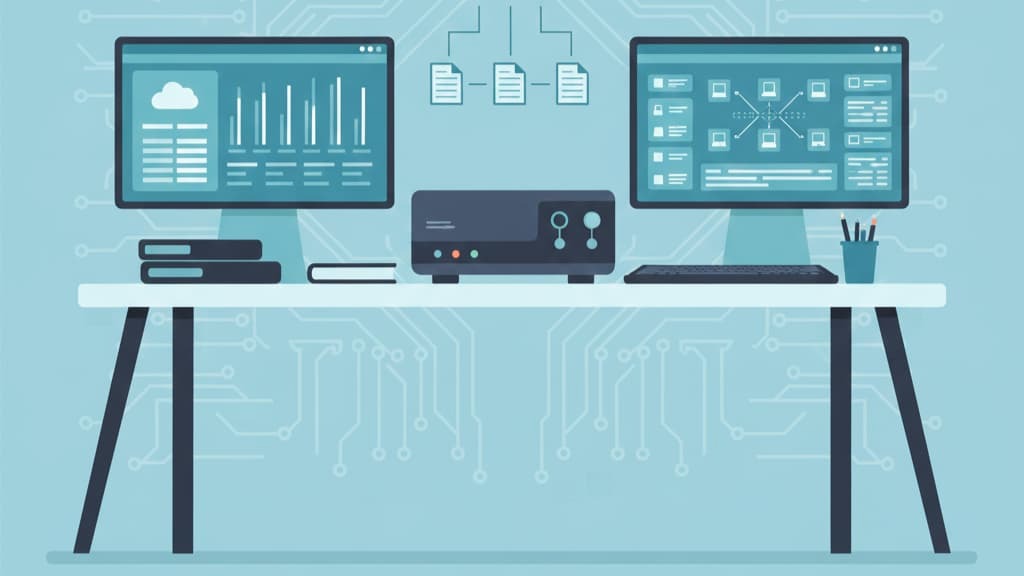
Tools make forensic work faster, more accurate, and more manageable. Organizations should choose tools based on needs, scale, and regulatory expectations.
Common tools include:
- Forensic imaging platforms
- Endpoint forensic utilities
- Cloud forensic systems
- Log analysis tools
- Memory acquisition utilities
- Reporting and documentation systems
Tools should simplify evidence collection, automate workflows, and keep digital evidence secure.
Cybersecurity Frameworks Supporting Forensic Readiness
Several frameworks help shape strong forensic readiness planning. DFIR provides structured guidance for incident response, attack containment, and forensic investigation processes. The Cloud Forensic Readiness Framework offers direction for cloud-based evidence preservation.
ETHICore highlights ethical considerations in forensic protocols. NIST CSF supports cybersecurity readiness and risk management. ISO/IEC 27037 sets standards for identifying, collecting, and preserving digital evidence.
These frameworks guide organizations toward mature forensic readiness, clear forensic methodologies, and reliable evidence preservation strategies.
Real-World Examples of Successful Implementation
Real-world cases show how effective forensic readiness transforms security operations. Some cloud organizations using the Cloud Forensic Readiness Framework reported faster incident response and improved regulatory compliance.
In operational technology environments, DFIR-based procedures helped teams preserve evidence while reducing downtime. These examples illustrate the value of proactive planning, strong forensic governance, and reliable forensic tools.
Our experience at MSSP Security mirrors these outcomes. Organizations with structured forensic readiness plans always handle cyber incidents with more clarity, less panic, and far stronger evidence integrity.
FAQ
1. What is forensic readiness, and why does it matter for everyday security?
Forensic readiness helps teams prepare before a cyber incident happens. It focuses on digital forensics, evidence collection, data preservation, and keeping data integrity intact. When you plan ahead, your incident response becomes faster and smoother.
Strong audit trails, security logs, and clear forensic procedures make it easier to understand what happened and protect digital evidence during a forensic investigation.
2. How can I build a simple forensic readiness framework for my team?
You can start with basic steps. Set clear security policies, create an incident response plan, and decide what digital evidence you want to keep. Then set up log management and security monitoring so you can spot a cyber incident early.
A simple forensic readiness framework also includes evidence handling rules, chain of custody steps, and easy forensic documentation for your team.
3. What should I collect first during a cyber incident?
Begin with digital evidence that is easy to lose. Focus on security logs, electronic evidence from endpoints, and any data tied to incident detection. Good evidence preservation keeps data integrity steady.
Use forensic imaging, data acquisition, and forensic tools that support your forensic process. These steps help your incident response team understand the attack analysis later.
4. How do I make sure my digital evidence stays safe and usable?
Keep evidence security simple. Follow clear forensic procedures, use a forensic toolkit with forensic standards, and store your forensic data in safe locations. Track chain of custody and keep strong audit trails so the digital investigation stays accurate.
This helps evidence admissibility and supports forensic preparedness, forensic governance, and regulatory compliance in a real investigation.
Conclusion
Forensic readiness planning strengthens security, protects evidence, and ensures teams respond quickly when incidents strike. With defined objectives, trained staff, strong evidence systems, and regular testing, organizations reduce risk and improve compliance.
A solid plan keeps investigations efficient and operations steady. If you want expert support to streamline tools, improve integration, and elevate your security maturity, explore our consulting services at MSSP Security and build a stack that truly works.
References
- https://online.york.ac.uk/resources/what-is-forensic-readiness-and-why-is-it-so-important/
- https://www.utica.edu/academic/institutes/ecii/publications/articles/A0B13342-B4E0-1F6A-156F501C49CF5F51.pdf